
Ignoring regular roof inspections can be a costly mistake. You might think minor issues are no big deal, but they can quickly escalate into major repairs that drain your wallet. By catching problems early, you not only save on repairs but also extend your roof’s lifespan. Curious about how proactive maintenance can lead to significant savings? Let’s explore the financial benefits of staying on top of your roof care.
Key Takeaways
- Regular roof inspections catch minor issues early, preventing them from escalating into costly major repairs.
- Proactive maintenance can lower insurance premiums by qualifying for discounts due to reduced risk.
- Identifying and addressing leaks promptly protects against extensive water damage, saving thousands on repairs.
- A well-maintained roof enhances property value and reduces the likelihood of premature replacements.
- Documenting inspections can simplify insurance claims and lead to better financial stability for homeowners.
Why You Can’t Afford to Ignore Roof Inspections
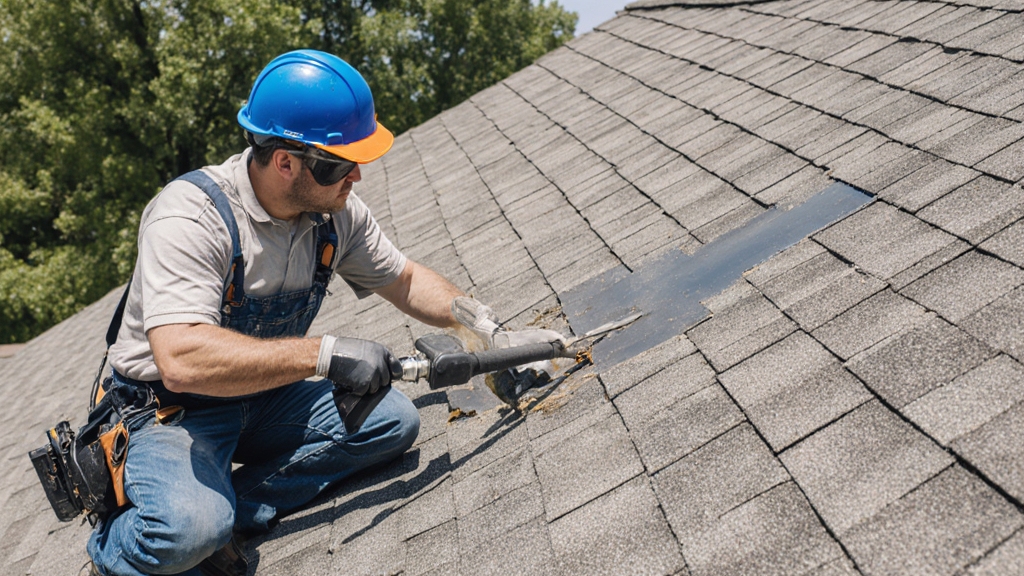
While you might think skipping roof inspections saves you time and money, it can actually lead to costly repairs down the line. Regular roof inspections are essential for maintaining the integrity of your home. They help you identify potential issues early, allowing you to address them before they escalate into major problems.
By staying proactive, you’re employing effective cost-saving strategies that protect your investment.
Think of it this way: a small leak today can turn into extensive water damage tomorrow. Roof inspection importance can’t be overstated—it’s your first line of defense against significant repairs. When you invest in regular checks, you’re not only ensuring your roof’s longevity but also saving yourself from unexpected expenses.
How Minor Issues Lead to Major Repairs
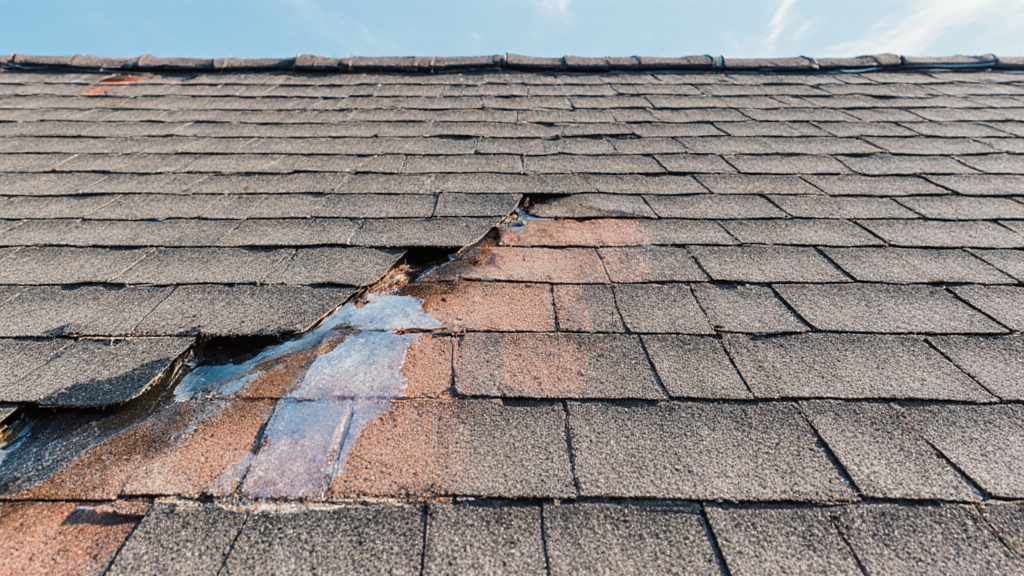
Ignoring minor roof issues can quickly escalate into major headaches.
Hidden leaks can cause extensive damage, clogged gutters lead to water buildup, and missing shingles create vulnerability.
Hidden Leaks Escalate Damage
Even the smallest roof leaks can lead to significant damage if left unchecked. You mightn’t notice these hidden leaks at first, but over time, they can cause serious issues. Ignoring minor roof problems can escalate costs and impact your home’s integrity.
Here are some consequences of hidden leaks:
- Hidden damage: Water can seep into walls, leading to costly structural repairs.
- Moisture buildup: This creates a perfect environment for mold growth, affecting your health and home value.
- Decreased lifespan: A neglected roof will wear out faster, necessitating early replacement.
Regular inspections help you catch these leaks before they turn into major repairs, saving you time and money in the long run.
Don’t wait until it’s too late!
Clogged Gutters Cause Problems
Hidden leaks aren’t the only minor issues that can escalate into major repairs; clogged gutters can also cause significant problems for your roof and home.
When gutters fill with debris, they can’t properly direct water away from your roof and foundation, leading to potential water damage. Over time, this excess water may seep into your home, causing mold growth and structural issues.
Regular gutter maintenance is essential to guarantee water flows freely and your roof remains protected. Ignoring clogged gutters now can lead to costly repairs later.
Missing Shingles Invite Issues
Missing shingles can create a domino effect of problems for your roof. When you ignore shingle deterioration, you increase your roof’s vulnerability, leading to more significant issues down the line.
Here’s how:
- Water Damage: Exposed areas can allow water to seep in, causing leaks and mold growth.
- Structural Damage: Continuous exposure to elements weakens underlying materials, risking your home’s integrity.
- Higher Repair Costs: Minor repairs can escalate quickly if not addressed, resulting in expensive fixes.
The Financial Benefits of Early Problem Detection
When you prioritize regular roof inspections, you not only protect your home but also save significant money in the long run.
Early problem detection is a form of preventative maintenance that can prevent minor issues from escalating into major repairs.
Think about it: a small leak today could lead to extensive water damage tomorrow, costing you thousands.
How Routine Care Extends Your Roof’s Lifespan
Regular roof inspections not only help you catch problems early but also play a significant role in extending your roof’s lifespan.
By investing in routine maintenance, you guarantee that small issues don’t escalate into costly repairs down the line.
Here’s how regular care promotes lifespan extension:
- Identifying Weak Spots: Frequent inspections allow you to spot wear and tear before it becomes a major issue.
- Preventing Damage: Routine maintenance helps you address potential threats like water leaks or mold growth, which can severely compromise your roof.
- Enhancing Performance: Regular upkeep guarantees that your roofing materials function effectively, maintaining their protective qualities over time.
Can Roof Inspections Save You Money on Insurance?
Regular roof inspections can actually lead to savings on your insurance premiums.
By demonstrating that you’ve taken proactive steps to maintain your roof, you might qualify for discounts and reduce the risk of claims.
Plus, a well-maintained roof helps protect your property’s value, giving you peace of mind.
Insurance Premium Discounts Available
If you’re looking to cut costs on your homeowner’s insurance, scheduling regular roof inspections could be a smart move. Many insurance companies offer discounts for homeowners who maintain their roofs.
By having a consistent inspection frequency, you can make a compelling case for insurance savings. Here are some benefits you might enjoy:
- Lower Premiums: Regular inspections can qualify you for reduced rates.
- Increased Value: A well-maintained roof enhances your property’s overall value.
- Peace of Mind: Knowing your roof is in good condition can ease worries about potential damage.
Taking these steps not only helps maintain your home but also positions you to maximize your savings on insurance.
Reduced Risk of Claims
Roof inspections can greatly reduce your risk of insurance claims. By identifying and addressing issues before they escalate, you can prevent significant damage that might lead to a claim on your insurance policy. Less damage means you’re less likely to navigate the complicated claim process, which can be time-consuming and stressful.
| Inspection Frequency | Potential Issues Detected | Impact on Claims |
| Annually | Missing shingles | Low |
| Bi-Annually | Water damage | Moderate |
| After Storms | Structural damage | High |
| Every 5 Years | Wear and tear | Moderate |
| After Major Repairs | Installation errors | Low |
Regular inspections not only safeguard your home but also keep your insurance costs manageable.
Enhanced Property Value Protection
Conducting regular roof inspections not only minimizes the risk of claims but also plays a significant role in protecting your property’s value.
By ensuring your roof is in top condition, you can enhance both property aesthetics and resale potential. Here’s how:
- Prevent Major Repairs: Catching issues early keeps your roof intact and avoids costly future repairs.
- Boost Curb Appeal: A well-maintained roof enhances the overall look of your property, making it more attractive to potential buyers.
- Increase Insurance Savings: Insurers often reward homeowners who maintain their roofs with lower premiums.
How Weather Affects Your Roof Inspections
While you might be enthusiastic to inspect your roof, weather conditions can considerably impact both the safety and effectiveness of your assessment. Seasonal impacts play a significant role in how well you can evaluate your roof’s condition.
Here’s a quick overview of how different weather affects your inspections:
| Weather Condition | Safety Concerns | Inspection Effectiveness |
| Rain | Slippery surfaces | Limited visibility |
| Snow | Weight on the roof | Difficulty accessing areas |
| High Winds | Risk of falling debris | Inaccurate assessments |
Timing your inspections to align with favorable weather conditions can enhance safety and guarantee you catch any potential issues before they escalate. Regular checks during manageable weather help you maintain your roof effectively, saving money in the long run.
Common Issues Found During Roof Inspections
During inspections, you may encounter a variety of common issues that could compromise your roof’s integrity.
Addressing these problems early can save you significant repair costs down the line.
Here are three issues to look out for:
- Damaged flashing: This crucial component seals joints and prevents water intrusion. If it’s cracked or missing, you could face leaks.
- Roof moss: While it might look harmless, roof moss traps moisture, leading to rot and deterioration of shingles over time.
- Clogged gutters: Debris accumulation can cause water to back up, leading to potential leaks and damage to your roof and home’s foundation.
DIY vs. Professional Inspections: Which Is Right for You?
After identifying common issues like damaged flashing, roof moss, and clogged gutters, you might wonder whether to tackle the inspection yourself or hire a professional. Here’s a quick comparison to help you decide:
| Criteria | DIY Techniques | Professional Expertise |
| Cost | Lower upfront expenses | Higher costs but long-term savings |
| Skill Level | Basic knowledge required | Extensive training and experience |
| Safety | Risky without proper gear | Safety protocols in place |
| Thoroughness | May miss hidden issues | Detailed inspections |
| Time Investment | Time-consuming | Efficient and quick |
If you’re comfortable climbing ladders and know what to look for, DIY techniques can save you money. However, if you prefer peace of mind and thoroughness, professional expertise is the way to go. Choose based on your comfort level and the complexity of your roof’s condition.
How to Create a Roof Maintenance Plan for Long-Term Savings
Creating a roof maintenance plan can save you thousands in repairs over the years.
A well-structured roof maintenance plan can significantly reduce long-term repair costs.
To guarantee your roof stays in top shape, follow these simple steps:
- Establish a roof checklist: Include inspections for missing shingles, leaks, and debris accumulation. This’ll help you catch issues early.
- Set a maintenance frequency: Plan to inspect your roof at least twice a year, and after major storms. Consistency is key for spotting potential problems.
- Document repairs and inspections: Keep records of what’s been done. This can be valuable for future repairs and when selling your home.
Frequently Asked Questions
How Often Should I Schedule Roof Inspections?
You should schedule roof inspections at least twice a year, ideally in spring and fall. This inspection frequency helps guarantee proper roof maintenance, identifying potential issues before they escalate into costly repairs.
Can I Inspect My Roof Myself?
Yes, you can inspect your roof yourself! Use a roof inspection checklist and follow DIY inspection tips like checking for missing shingles, leaks, and debris. Just guarantee safety first, and consider getting a professional opinion later.
What Qualifications Should I Look for in a Roofing Inspector?
When choosing a roofing inspector, look for certification requirements that demonstrate expertise and solid inspector experience. Confirm they have a good track record, positive reviews, and familiarity with your specific roofing type for the best assessment.
Are There Specific Seasons Better for Roof Inspections?
Yes, fall inspections are great for identifying damage before winter, while spring maintenance helps address issues after harsh weather. Timing your inspections with these seasons guarantees your roof stays in top shape all year round.
What Tools Are Necessary for a Roof Inspection?
For a roof inspection, you’ll need essential roofing tools like a ladder, flashlight, and moisture meter. An inspection checklist will help guarantee you cover all areas, identifying potential issues effectively during your evaluation.
Final Thoughts
Regular roof inspections aren’t just a maintenance chore—they’re a smart financial strategy. By catching small issues early, you can avoid expensive emergency repairs, extend the lifespan of your roof, and even improve your chances of saving on insurance costs over time. A proactive approach to roof care protects both your home and your budget.
If you’d like expert help staying ahead of potential problems, the team at Roofing Sterling Heights MI is ready to assist. We provide thorough roof inspections and a full range of roofing services for homeowners in Sterling Heights and the surrounding areas, helping you spot and resolve issues before they turn into costly repairs.
Don’t wait for a minor leak or loose shingle to become a major expense. Schedule your regular roof inspection today by visiting our contact page to request an appointment or estimate, and explore our blog for more roofing tips. Taking action now is one of the simplest ways to safeguard your home and save money in the long run.