
Roof leaks commonly arise from worn or damaged shingles, cracked or failing flashing, clogged gutters and downspouts, attic condensation due to poor ventilation, and issues around skylights, chimneys, and other penetrations. Signs include missing shingles, dark streaks, rusted flashing, and interior stains. Fixes range from replacing shingles and flashing to resealing joints, cleaning gutters, improving ventilation, and restoring proper water laps at penetrations. Regular inspections and targeted repairs prevent costly damage. The next sections explain how to identify and fix each cause.
Key Takeaways
- Worn or damaged shingles let water in; replace missing shingles, reseal lifted tabs, or re-roof for widespread aging.
- Cracked or corroded flashing at chimneys, skylights, and vents leaks; reseal minor defects or replace failed sections.
- Clogged gutters force water under shingles; clean regularly and extend downspouts away from the foundation.
- Attic condensation from poor ventilation mimics leaks; improve airflow, clear soffit/ridge vents, and vent exhausts outdoors.
- Penetrations like skylights and chimneys fail at sealants and laps; restore proper flashing, clear weep channels, and add kick-out flashing.
Worn or Damaged Shingles
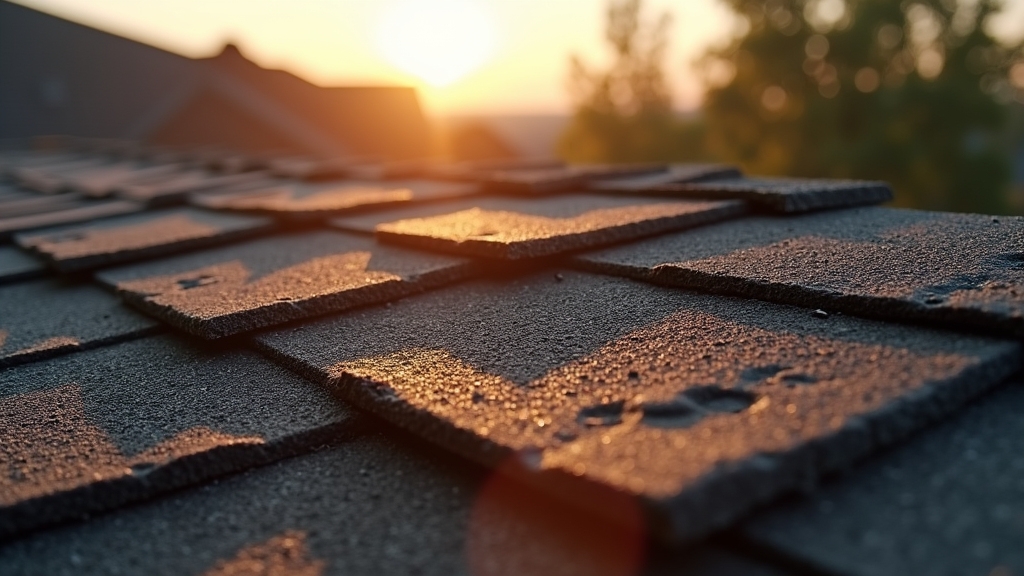
Many roof leaks trace back to worn or damaged shingles that no longer repel water. When granules thin, edges curl, or tabs crack, water can infiltrate the underlayment and sheathing. Hail impacts, UV exposure, and wind uplift accelerate wear, shortening shingle lifespan.
Worn shingles lose water resistance; thinning granules, curling edges, and cracked tabs invite leaks.
Visual signs include bare spots, missing shingles, and dark streaks indicating moisture retention. Left unaddressed, leaks migrate and cause interior staining or mold.
Inspection begins with a safe, ground-level scan, followed by targeted checks after rain. Repair options depend on extent: replacing individual shingles, resealing lifted tabs, or installing small patches for localized issues.
If aging is widespread or multiple leaks appear, a partial or full re-roof improves reliability. Proper attic ventilation and prompt maintenance extend shingle lifespan and reduce future leaks.
Cracked or Failing Flashing
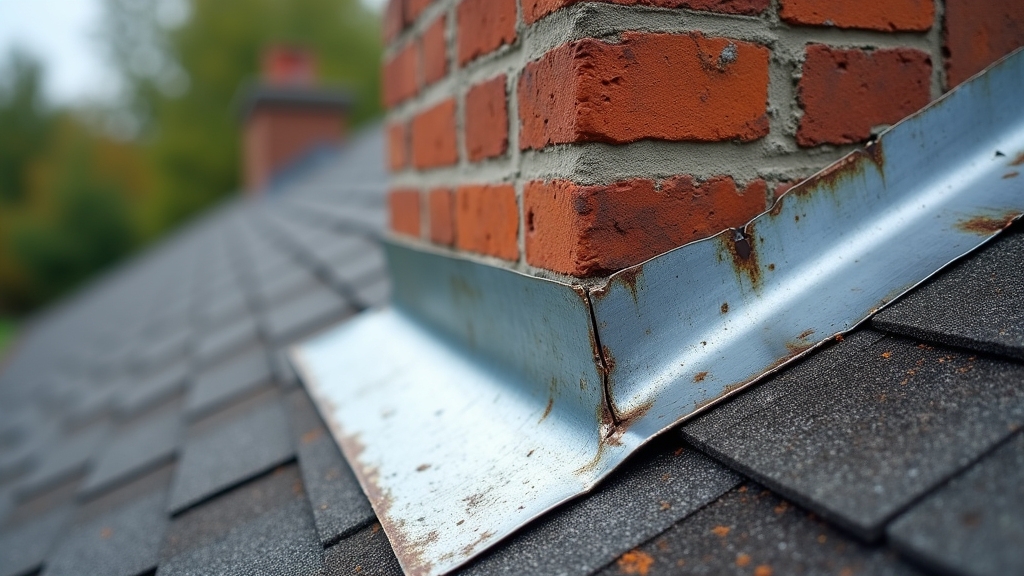
While shingle wear often grabs attention, water intrusion frequently starts where materials meet: at flashing. Flashing bridges joints around chimneys, skylights, vents, and wall intersections. When it cracks, corrodes, or pulls loose, capillary action drives water beneath roofing, leading to stains, rot, and mold.
Failures stem from age, incompatible flashing materials, thermal movement, wind uplift, and poor installation techniques such as inadequate overlap, missing sealant, or improper step-flashing.
Inspection focuses on rust, splits, lifted edges, and deteriorated sealant. Minor defects can be resealed or fastened. Severely damaged sections require removal and replacement, ensuring correct shingle integration and counterflashing where walls meet roofs.
Use high-quality metal or engineered alternatives, match fasteners, and follow manufacturer details. Proper clearances, secure fastening, and careful sequencing prevent recurring leaks.
Clogged Gutters and Downspouts
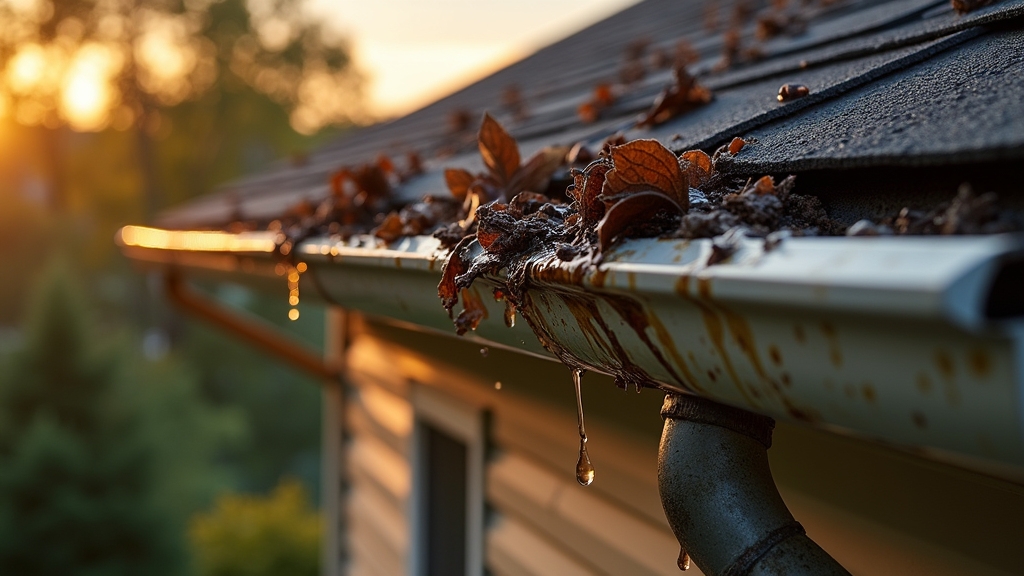
Neglected gutters and downspouts turn roof edges into reservoirs, forcing water to back up under shingles and into fascia, soffits, and wall cavities.
When debris blocks flow, standing water accelerates shingle decay, rusts fasteners, and saturates wood, leading to leaks and hidden mold. Ice can worsen damage by prying materials apart.
Prevention is straightforward: consistent gutter maintenance removes leaves, granules, and nests before storms.
Downspouts should discharge well away from the foundation; extensions or splash blocks help.
If water overflows at seams or joints, targeted downspout repairs—re-sealing, re-riveting, or replacing crushed sections—restore proper drainage.
Sagging runs indicate loose hangers or inadequate pitch and require reattachment and re-sloping.
After heavy weather, a quick visual check of outlets and elbows avoids repeat blockages.
Attic Condensation and Poor Ventilation
Though leaks often start above the shingles, they frequently end in the attic when trapped moisture condenses on cold surfaces.
In winter, warm indoor air rises, carrying vapor that meets cold roof sheathing and forms droplets. Over time, this moisture mimics a roof leak, staining ceilings, feeding mold, and rotting wood. The underlying issues are inadequate ventilation, poor air sealing, and compromised insulation effectiveness.
Solutions focus on airflow and humidity control. Clear soffit and ridge vents to promote balanced intake and exhaust.
Add baffles to keep insulation from blocking soffits. Seal ceiling penetrations around lights, ducts, and attic hatches to stop warm air from escaping. Improve insulation coverage and depth to limit heat loss.
Use bath and kitchen exhaust fans vented outdoors, and consider a hygrometer or dehumidifier when needed.
Skylight, Chimney, and Roof Penetration Leaks
Skylights, chimneys, vents, and other roof penetrations concentrate water where flashing, sealants, and intersecting materials must work perfectly. Failures arise from aged caulk, cracked counter-flashing, missing kick-out flashing, or improper skylight installation. Movement from thermal cycling opens gaps, while debris channels water sideways. Reliable repairs focus on removing sealant dependence and restoring shingle-to-metal water laps. Step flashing must interleave each course; counter-flashing should be cut into masonry, not surface-glued. Pan flashing and ice-and-water membrane add redundancy. Annual chimney maintenance checks mortar joints, crowns, and caps to prevent saturation that drives leaks.
| Penetration | Common Failure | Targeted Fix |
| Skylight | Clogged weep channels | Clear drains; reflash kit |
| Chimney | Surface-glued flashing | Reglet-cut counter-flashing |
| Vent pipe | Cracked boot | Replace boot; seal ring |
| Wall tie-in | Missing kick-out | Install kick-out flashing |
Frequently Asked Questions
How Do Seasonal Temperature Swings Affect Roof Leak Risks?
Seasonal temperature swings increase roof leak risks by stressing roof material. Temperature fluctuations cause expansion and contraction, loosening fasteners, cracking sealants, and opening seams. Ice dams form during freeze-thaw cycles, channeling water under shingles and compromising underlayment, flashing, and penetrations over time.
Can Solar Panels Cause or Worsen Roof Leaks?
Yes. Improper solar panel installation can create penetrations, flashing gaps, or trapped moisture that initiate leaks or worsen existing vulnerabilities. Professional design, correct mounting, sealed flashings, and routine roof inspection before and after installation greatly reduce leak risk.
Are Flat Roofs More Prone to Leaks Than Pitched Roofs?
Yes. Flat roofs generally face higher leak risk due to slower drainage and membrane vulnerabilities, though flat roof advantages include easier access and equipment placement. Pitched roof durability benefits from faster runoff and overlapping materials, yet penetrations and aging still require vigilance.
Does Homeowner’s Insurance Cover Roof Leak Repairs?
Yes—coverage depends on cause and policy terms. Homeowner policies typically cover sudden, accidental damage, not wear-and-tear or neglect. Documentation, prompt mitigation, and clear photos strengthen insurance claims. Exclusions, deductibles, and roof age limits often affect outcomes. Policy review is essential.
How Can Hail Damage Lead to Leaks Months Later?
Hail damage can lead to leaks months later because hail impact bruises shingles, fractures granules, and opens microcracks. Over time, UV exposure and moisture accelerate roof deterioration, widening pathways, loosening seals, and allowing water intrusion during subsequent storms or freeze-thaw cycles.
Final Thoughts
Roof leaks rarely happen overnight—they develop from predictable issues like aging shingles, damaged flashing, clogged gutters, and poor attic ventilation. The good news? Every one of these problems can be prevented with consistent maintenance and early detection. Routine inspections, proper ventilation, and quick action on small leaks preserve your home’s structure, improve energy efficiency, and avoid expensive water damage down the road.
If you suspect a leak or want peace of mind about your roof’s condition, trust the professionals at Roofing Sterling Heights MI. Our team specializes in comprehensive roof inspections, roof replacement, and expert repair of asphalt shingles, metal roofing, and flat roofing systems.
Take the next step toward a leak-free home—contact Roofing Sterling Heights MI today for a free inspection or estimate, and let our experienced roofers help you protect your investment year-round.