
Conduct thorough spring and autumn roof inspections to identify winter or fall damage. Clean gutters and downspouts to prevent clogs and water backups. Trim overhanging branches and assess ventilation and insulation for efficiency. Prepare your roof for winter by clearing debris, installing ice barriers, and monitoring snow loads. Addressing issues promptly can save you from costly repairs down the road. Read on to explore an extensive seasonal roof maintenance checklist.
Key Takeaways
- Conduct thorough roof inspections in spring and autumn to identify any damage from winter or fall conditions.
- Clean gutters and downspouts at least twice a year to prevent clogs and water backups.
- Trim overhanging branches to prevent damage to roof shingles and avoid potential hazards during severe weather.
- Inspect and maintain attic ventilation and insulation to prevent moisture buildup and improve energy efficiency.
- Prepare for winter by repairing roof insulation, installing ice barriers, and clearing debris from gutters and downspouts.
Spring Roof Inspection
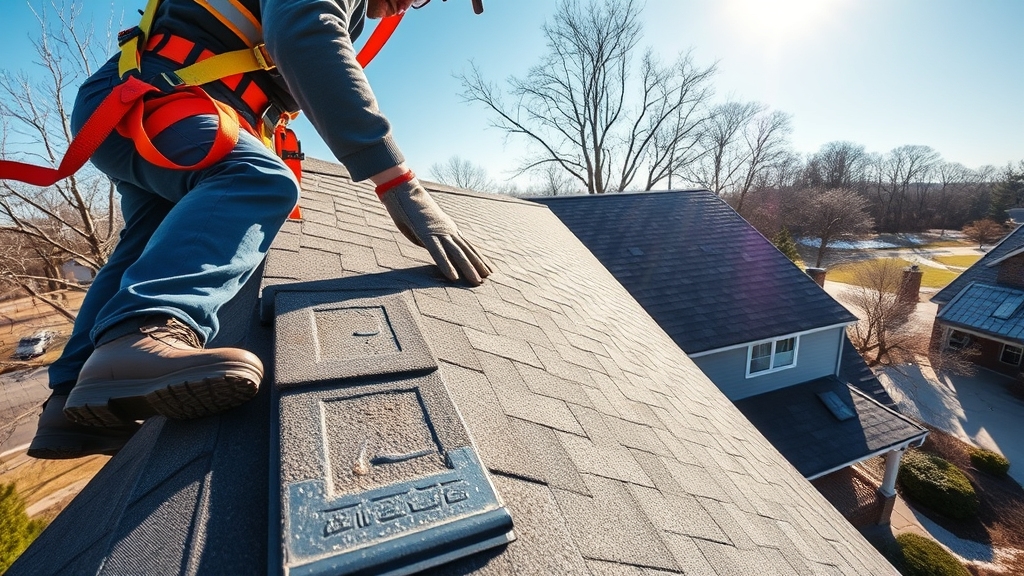
As the winter season comes to a close, it’s time to conduct a thorough spring roof inspection. This is essential to identify any potential damage caused by the harsh winter weather.
Start by gathering the necessary roof inspection tools, such as binoculars, a flashlight, and a roof rake. Carefully examine your roof for missing, cracked, or curled shingles, as well as any signs of water damage.
Gather essential roof inspection tools like binoculars, flashlight, and rake to carefully examine for damage, missing shingles, and water issues.
Pay special attention to the gutters, downspouts, and flashing, ensuring they’re clear of debris and functioning properly.
Remember, spring weather impacts can greatly affect the condition of your roof, so addressing issues promptly is vital to prevent further deterioration and costly repairs.
With an extensive spring roof inspection, you can maintain the integrity of your home’s most critical component.
Removing Debris and Cleaning the Roof
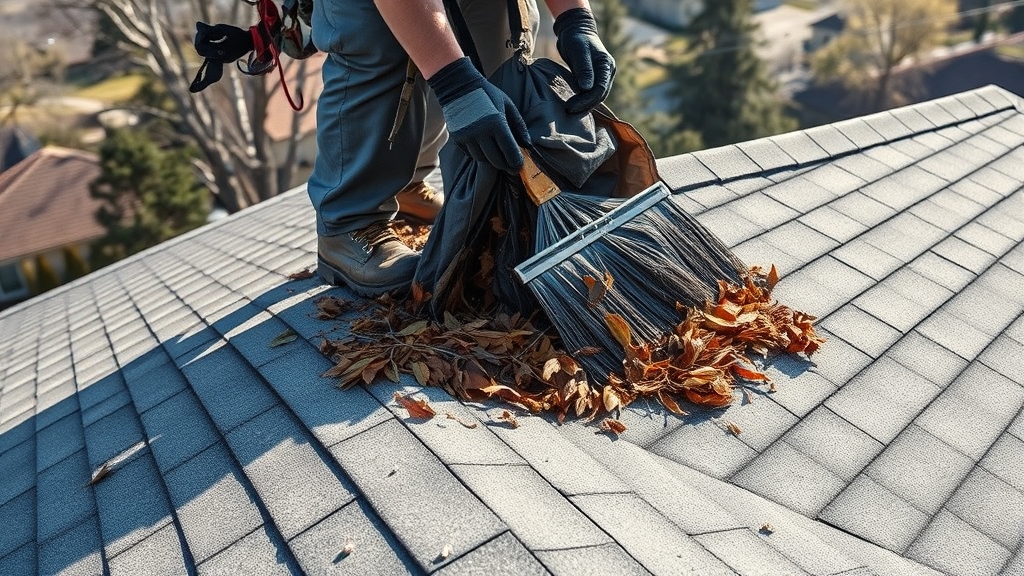
As the spring thaw arrives, you’ll need to inspect your roof’s surface for any accumulated debris.
Safely clear away leaves, branches, and other materials to prevent damage and guarantee proper drainage.
Maintaining your gutters is also essential – clogged gutters can lead to water backups and potential roof issues.
Inspect Roof Surface
Inspecting your roof surface is an essential step in maintaining the health and longevity of your roofing system.
Carefully examine your roof materials for signs of wear, such as cracked, curled, or missing shingles. Look for the effects of weather, including discoloration, algae growth, or accumulated debris.
Verify that the flashing around chimneys, vents, and skylights is in good condition, as these areas are vulnerable to leaks. Pay close attention to any visible damage or deterioration, as this could indicate underlying issues that require prompt attention.
A thorough roof inspection will help you identify potential problems early, allowing you to address them before they escalate and cause more extensive damage.
Safely Clear Debris
Regular roof cleaning is essential to maintain the appearance and longevity of your roofing system.
Safely clearing debris from your roof is an important part of this process. Begin by inspecting your roof for leaves, sticks, and other accumulated materials. Use a soft-bristle brush or a leaf blower to gently remove debris, taking care not to damage the roofing surface.
Always prioritize safety by wearing proper footwear, using a secure ladder, and having someone assist you. Avoid walking on wet or slippery roofs, and be mindful of power lines or other overhead hazards.
Proper debris removal will help prevent water damage, mold growth, and premature wear on your roof.
Gutter Maintenance Importance
Gutters play an essential role in directing rainwater away from your home’s foundation and protecting your roof. Properly maintained gutters can prevent water damage, mold, and foundation issues. Gutter types like seamless, aluminum, and vinyl each have unique benefits and installation requirements. A well-designed gutter system, professionally installed, is critical for effective water management.
| Gutter Type | Advantages | Disadvantages | Installation Complexity |
| Seamless | Fewer leaks | More expensive | Moderate |
| Aluminum | Durable, affordable | Can corrode | Easy |
| Vinyl | Lightweight, easy to clean | Less durable | Easy |
| Copper | Attractive, long-lasting | Very costly | Moderate |
Regularly cleaning your gutters and ensuring proper drainage is essential for preserving your home’s structural integrity. Neglecting gutter maintenance can lead to costly repairs down the line.
Checking for Leaks and Damage
Next, check your attic ceiling for any signs of leaks or moisture.
Examine the flashing around chimneys, vents, and skylights to verify they’re in good condition.
Closely inspect shingles for cracked, curled, or missing pieces that could lead to leaks.
Inspect Attic Ceiling
First, inspect the attic ceiling for any signs of leaks or damage. Check the insulation and wood beams for moisture, which could indicate a roof leak.
Look for water stains or discoloration that may have seeped through from the roof. Verify the attic ventilation is working properly – adequate airflow can prevent moisture buildup and damage.
If you notice concerning issues like sagging or cracked beams, take action to address them promptly. Addressing attic ceiling problems early can help prevent more extensive and costly repairs down the line.
A thorough attic inspection is a critical part of your seasonal roof maintenance routine.
Examine Flashing Conditions
After inspecting the attic ceiling, examine the flashing conditions around your roof.
Flashing refers to the thin metal pieces that seal roof edges, vents, and other penetrations. Check for signs of cracking, curling, or missing flashing. Inspect flashing types like aluminum, galvanized steel, or rubberized products.
Verify they’re properly sealed with caulk or roof sealant. Look for gaps, cracks, or spaces that could allow water intrusion. Proper sealing techniques, like applying a generous bead of caulk, can help prevent leaks.
Address any flashing issues promptly to maintain a watertight roof and avoid costly water damage.
Identify Shingle Damage
While examining the flashing, also inspect your roof’s shingles for any signs of damage.
Look for curled, cracked, or missing shingles, as these can indicate a shortened shingle lifespan. Weather impacts like sun, wind, and hail can take a toll over time.
Closely inspect valleys and edges where shingles are most vulnerable. If you spot damaged shingles, schedule repairs promptly to prevent leaks and further deterioration.
Neglected shingle issues can lead to costly roof replacements, so regular inspections are essential. Address any problems you find to extend your roof’s lifespan and protect your home from the elements.
Addressing Ventilation and Insulation
Proper ventilation and insulation are essential to maintaining the health and longevity of your roof. Inspect your attic’s ventilation systems, ensuring they’re functioning correctly. Adequate airflow prevents moisture buildup and extends your roof’s lifespan.
Additionally, check your insulation types and levels. Proper insulation helps regulate temperature, reducing energy costs and preventing ice dams. Upgrade outdated or insufficient insulation to improve your home’s efficiency.
Pay close attention to the attic, as this is a common problem area. Addressing ventilation and insulation issues now can save you from costly repairs down the line.
Take the time to address these critical components of your roof’s maintenance, and you’ll be rewarded with a well-protected home.
Preparing for Summer
As summer approaches, take the time to thoroughly inspect your roof for any damage or potential issues.
Don’t forget to clean your gutters, removing any debris that may have accumulated over the winter.
Additionally, trim any overhanging branches that could potentially cause problems during the warmer months.
Inspect Roof Condition
Before the summer heat arrives, it’s crucial to inspect your roof’s condition.
Perform a thorough roof inspection to identify any potential issues that could worsen during the hot summer months.
Here are some key roof inspection techniques to keep in mind:
- Visually scan the entire roof for signs of wear, such as cracked, curled, or missing shingles.
- Check for proper ventilation and verify your attic is well-insulated to prevent heat buildup.
- Examine the flashing around chimneys, skylights, and vents to ensure they’re properly sealed and not deteriorating.
Addressing these seasonal roof considerations now can help you avoid costly repairs and maintain the integrity of your home’s protection against the elements.
Clean Gutters Thoroughly
One of the most critical tasks in your seasonal roof maintenance checklist is thoroughly cleaning your gutters. Clogged gutters can lead to water damage, roof leaks, and even foundation issues.
Begin by removing any visible debris, leaves, or twigs. Consider installing gutter guards to minimize future buildup.
Then, use a gutter scoop or trowel to dislodge any stubborn clumps. Flush the gutters with a garden hose to confirm they’re fully clear.
Perform this seasonal cleaning at least twice a year, in the spring and fall, to keep your gutters functioning properly and protect your home from water-related problems.
Trim Overhanging Branches
Trimming overhanging branches is essential as you prepare for the summer months. Neglecting this task can lead to costly damage to your roof and potential safety hazards.
By addressing this maintenance item, you can prevent branches from:
- Rubbing against and damaging your roof shingles
- Falling and causing harm during severe weather
- Providing a pathway for pests to access your home
Regular tree trimming around your home’s exterior is vital for branch safety and the longevity of your roof.
Tackling this project now will save you time, money, and headaches down the road. Maintain a well-groomed landscape to keep your home secure and your roof in top condition.
Inspecting Roof Flashing and Sealants
Inspecting your roof’s flashing and sealants is an essential step in your seasonal maintenance routine.
Flashing materials, like metal or rubberized, play a vital role in preventing water leaks around chimneys, vents, and other roof penetrations. Check for any cracks, gaps, or loose flashing that could compromise their integrity.
Additionally, inspect the sealant types used around these areas, ensuring they haven’t dried out or cracked over time. Resealing any problem spots with a high-quality, flexible sealant can help extend the life of your roof and prevent costly water damage.
Don’t neglect this important task – a thorough inspection can catch issues early and save you from headaches down the line.
Maintaining Gutters and Downspouts
Properly maintaining your gutters and downspouts is essential for preventing water damage to your home. Clogged gutters can lead to water overflow, which can seep into your home’s foundation and cause costly repairs.
Clogged gutters can lead to water overflow, seeping into your home’s foundation and causing costly repairs.
To keep your gutters in top shape, consider these maintenance tips:
- Install gutter guards to minimize debris buildup and reduce the frequency of cleaning.
- Regularly inspect and clear your gutters of leaves, twigs, and other debris to guarantee proper water flow.
- Extend your downspouts at least 6 feet from your home’s foundation to direct water away and prevent water damage.
Identifying and Repairing Autumn Damage
As the leaves begin to fall and the weather turns colder, it’s important to inspect your roof for any autumn damage.
Performing regular roof inspections during this season can help you identify and address issues before they worsen.
Look for missing, cracked, or curled shingles, which can allow water to seep in and cause leaks.
Check for debris buildup, which can block gutters and downspouts, leading to water damage.
Inspect flashing around chimneys, vents, and skylights, ensuring a tight seal.
If you find any problems, address them promptly to prevent further deterioration.
Autumn roof maintenance is essential to protect your home from the harsh winter weather ahead.
Winterizing the Roof
Once you’ve identified and addressed any autumn damage, it’s time to prepare your roof for winter.
Preparing your roof for winter begins after addressing any autumn damage.
Winterizing your roof involves a few key steps:
- Inspect and repair roof insulation. Proper insulation helps prevent ice dams from forming, which can lead to costly leaks. Make sure your attic is well-insulated to maintain ideal temperature regulation.
- Install an ice barrier. An ice barrier is a waterproof membrane that prevents melting snow and ice from seeping under the shingles and into your home. This critical layer of protection is essential for cold-climate roofs.
- Clear debris from gutters and downspouts. Clogged gutters can trap water, leading to ice dams. Keeping them clear makes certain proper drainage and helps avoid potential damage.
Monitoring Snow Accumulation and Ice Dams
Throughout the winter, keep a close eye on the snow accumulation and watch for any signs of ice dams forming on your roof. Snow load considerations are vital, as excessive snow can lead to roof damage or even collapse. Use a sturdy tool to gently remove snow, ensuring you don’t damage the roofing material.
| Snow Depth | Action Needed |
| 6 inches | Monitor for further accumulation |
| 12 inches | Consider removing some snow |
| 18 inches | Remove snow to prevent damage |
| 24 inches | Immediate snow removal is required |
Ice dam prevention is also essential. If you notice icicles forming, it’s a sign of an ice dam. Address the issue quickly to avoid water damage to your home. Proper insulation and ventilation can help mitigate ice dam formation.
Frequently Asked Questions
Can I Inspect the Roof Myself or Should I Hire a Professional?
You can inspect your roof yourself, but it’s best to hire a professional for a thorough evaluation. A professional can identify potential issues and provide expert recommendations to guarantee your roof’s longevity and safety.
How Often Should I Clean and Maintain the Gutters?
You should clean your gutters at least twice a year – in the spring and fall. Proper gutter maintenance is essential to prevent clogs, water damage, and other issues around your home.
What Should I Do if I Notice Ice Dams Forming on the Roof?
If you notice ice dams forming on your roof, you should address the underlying issue of poor roof insulation. This will help prevent future ice dams and protect your home from water damage.
How Can I Improve the Energy Efficiency of My Roof?
To improve your roof’s energy efficiency, consider adding extra roof insulation and schedule an energy audit. This can pinpoint areas for improvement and help you save on heating and cooling costs.
What Are the Signs That My Roof Needs to Be Replaced?
If your roof is over 20 years old or you notice damaged, curling, or missing shingles, it’s time to replace your roof. These are clear signs your roof needs an upgrade to improve its energy efficiency.
Final Thoughts
Seasonal roof maintenance is one of the smartest investments you can make in your home’s longevity. By inspecting your roof in spring and fall, keeping gutters clear, trimming back branches, and monitoring ventilation and insulation, you create a strong year-round defense against leaks, ice dams, and structural wear. Preparing ahead of winter—by installing ice barriers, clearing debris, and watching snow loads—helps prevent costly surprises when temperatures drop.
If you want professional eyes on your roof or need help tackling seasonal maintenance, Roofing Sterling Heights MI is here to support you. Our team provides detailed roof inspections, dependable roof repairs, and long-lasting roof replacements tailored to Michigan’s demanding climate.
Stay proactive, protect your home, and avoid costly repairs—contact Roofing Sterling Heights MI today to schedule your seasonal inspection or request a free estimate.