
To protect your roof from ice dams and leaks, guarantee proper insulation and ventilation in your attic. Regularly maintain your roof by cleaning gutters, inspecting for damage, and promptly addressing any issues. Use temporary ice dam removal methods like roof rakes or ice melts if needed. Investing in professional roof inspections can catch underlying problems before they turn into costly repairs. Take these proactive steps, and you’ll be on your way to a protected, leak-free roof.
Key Takeaways
- Ensure proper insulation and ventilation in the attic to maintain a consistent temperature and prevent heat from escaping through the roof.
- Seal air leaks around the roof and in the attic to minimize heat loss.
- Regularly clear snow from the roof to reduce the risk of ice dam formation.
- Perform routine roof maintenance, including cleaning gutters and inspecting for any damage or missing shingles.
- Hire professional roofers for comprehensive inspections and prompt repair of any issues to safeguard the roof from ice dams and leaks.
Identifying and Preventing Ice Dams
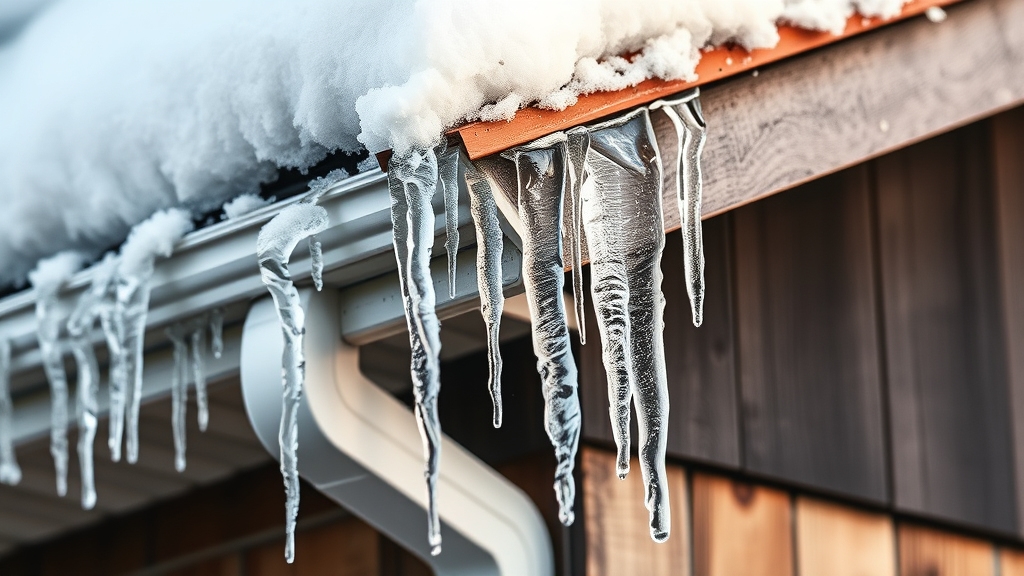
An ice dam is a ridge of ice that forms at the edge of a roof, preventing melting snow from draining properly. This ice formation occurs when heat escapes through the roof, causing the snow to melt and refreeze at the roof’s edge.
To prevent ice dams, guarantee proper insulation and ventilation in your attic. Seal any air leaks and consider adding extra insulation.
Additionally, clearing snow from your roof can help reduce snow accumulation and minimize the risk of ice dam formation. Regular roof inspections and maintenance can also help identify and address potential issues before they become a problem.
Proper Insulation and Ventilation
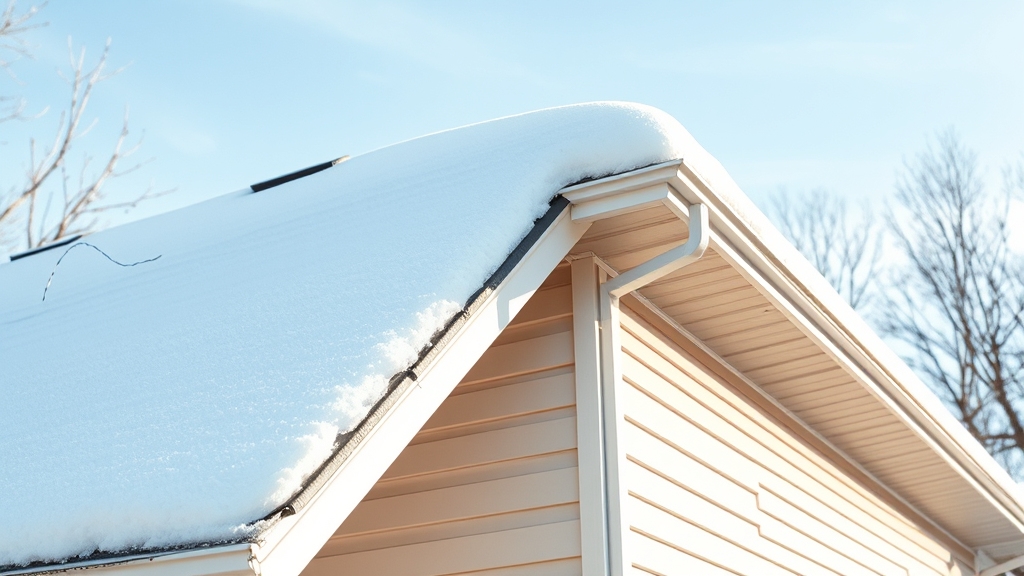
Proper insulation and ventilation are essential in preventing ice dams from forming on your roof.
Insulation materials like fiberglass, cellulose, or spray foam should be installed in your attic to maintain a consistent temperature between the living space and the roof. This helps prevent heat from escaping and melting snow on the roof.
Ventilation systems, such as ridge vents, gable vents, or soffit vents, allow for proper air circulation, keeping the attic cool and preventing ice dams.
Ensuring your home has adequate insulation and ventilation will help protect your roof from the damaging effects of ice dams and leaks.
Effective Roof Maintenance and Repair
Maintaining and repairing your roof is essential for protecting your home from the damaging effects of ice dams and leaks.
Regular roof cleaning removes debris that can clog gutters and downspouts, preventing proper drainage. Seasonal maintenance, like inspecting and sealing any cracks or gaps, guarantees your roof stays in top condition.
If you notice missing, curling, or damaged shingles, address these issues promptly to prevent water infiltration. Consider hiring a professional roofer for a thorough inspection and necessary repairs.
They can identify and fix issues before they escalate, saving you from costly water damage.
Don’t neglect your roof – proactive maintenance and timely repairs will safeguard your home against the harsh winter weather.
Implementing Temporary Ice Dam Removal Strategies
If ice dams have already formed on your roof, you’ll need to act quickly to prevent water damage.
Temporary ice dam removal is vital, but it’s important to take safety precautions. First, make sure you have the proper equipment, like a roof rake or ice pick, and wear slip-resistant footwear.
Proper equipment and slip-resistant footwear are essential when removing temporary ice dams to prevent safety hazards.
Avoid standing on the roof, as it can be hazardous. Instead, carefully use the roof rake to pull the ice away from the eaves, working from the ground. For stubborn ice, you can apply calcium chloride or rock salt to melt it.
Be mindful of nearby plants and landscaping.
Once the ice is gone, address the root cause to prevent future ice dams, such as improving insulation and ventilation in your attic.
The Importance of Professional Roof Inspections
Although regular DIY roof inspections are important, having your roof professionally inspected is essential for identifying and addressing underlying issues.
A professional roof assessment will thoroughly examine your roof’s structural integrity, looking for signs of damage, wear, and potential problem areas. They’ll check for proper ventilation, insulation, and sealing to guarantee your roof is functioning at its best and not susceptible to ice dams or leaks.
Don’t wait until you notice a problem – schedule a professional inspection annually to catch issues early and protect your home.
Investing in professional expertise can save you from costly repairs down the line and give you peace of mind that your roof is in good shape.
Frequently Asked Questions
How Do I Remove Ice Dams Safely From My Roof?
Use safe ice dam tools like a roof rake or steamer to remove the ice dam. Carefully chip away at the ice, directing it away from your home. Avoid damaging the roof with aggressive removal techniques.
Can I Use Salt or Chemicals to Prevent Ice Dams?
You can use chemical alternatives like calcium chloride or potassium chloride to prevent ice dams, but these preventive measures may damage your roof over time. It’s best to focus on long-term solutions like proper insulation and ventilation to address the root cause.
Is It Necessary to Replace the Entire Roof for Ice Dams?
You don’t necessarily need to replace your entire roof to prevent ice dams. Proper insulation, ventilation, and ice dam prevention techniques can help mitigate the issue without a full roof replacement. Consult a professional to explore your roof replacement considerations and ice dam prevention options.