
Maintaining the longevity of your roof is more vital than you might think. Regular inspections can catch issues before they escalate, saving you money in the long run. You might notice signs of wear like missing shingles or water stains, but do you know how to tackle these problems effectively? Understanding essential maintenance practices will make a significant difference in protecting your investment. Let’s explore the key steps to guarantee your roof stands the test of time.
Key Takeaways
- Schedule routine inspections twice a year to identify and address minor issues before they escalate into major problems.
- Maintain gutters by cleaning them regularly to prevent clogs and ensure proper drainage, avoiding water damage.
- Trim overhanging branches to reduce the risk of falling debris during storms and minimize wear on roofing materials.
- Invest in high-quality roofing materials and proper ventilation to enhance durability and prevent moisture-related issues.
- Insulate your roof effectively to regulate temperature, reduce energy bills, and prevent strain on roofing materials.
Why Routine Inspections Are Essential for Your Roof
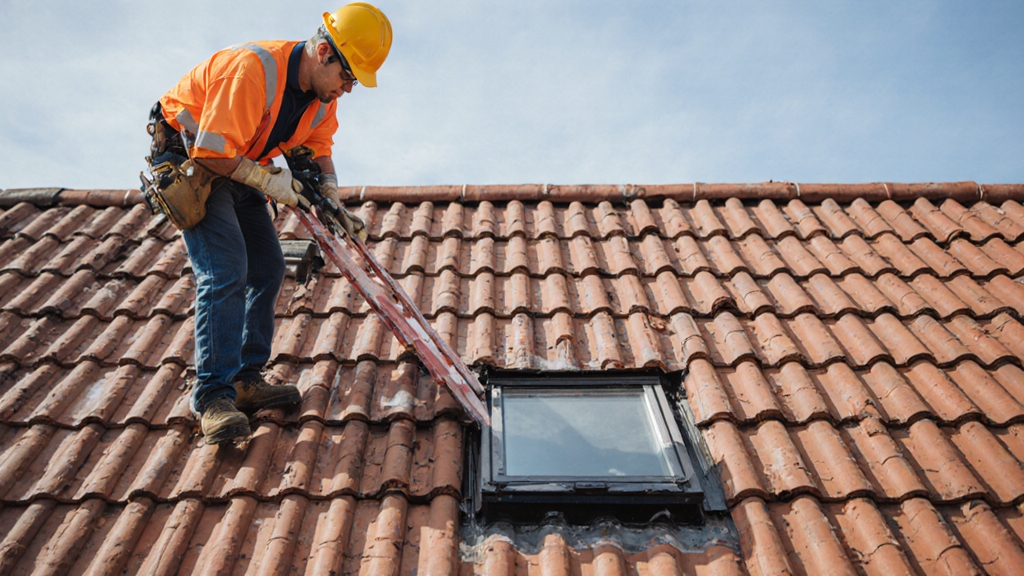
While you may not think about your roof every day, routine inspections are crucial for its longevity. Regular checks can catch minor issues before they escalate, saving you time and money in the long run.
Ideally, you should schedule inspections at least twice a year—once in the spring and once in the fall. This inspection frequency helps you stay ahead of potential problems caused by weather changes.
The roof inspection benefits are significant. You’ll gain peace of mind knowing your roof’s in good shape, and you can identify areas that may need repair or maintenance.
Addressing these issues promptly prevents leaks and structural damage, extending your roof’s lifespan. In addition, routine inspections can enhance your home’s energy efficiency, as a well-maintained roof keeps your heating and cooling systems working effectively.
Prioritizing these inspections guarantees you protect your investment and maintain your home’s value over time.
What Are the Early Signs of Roof Damage?
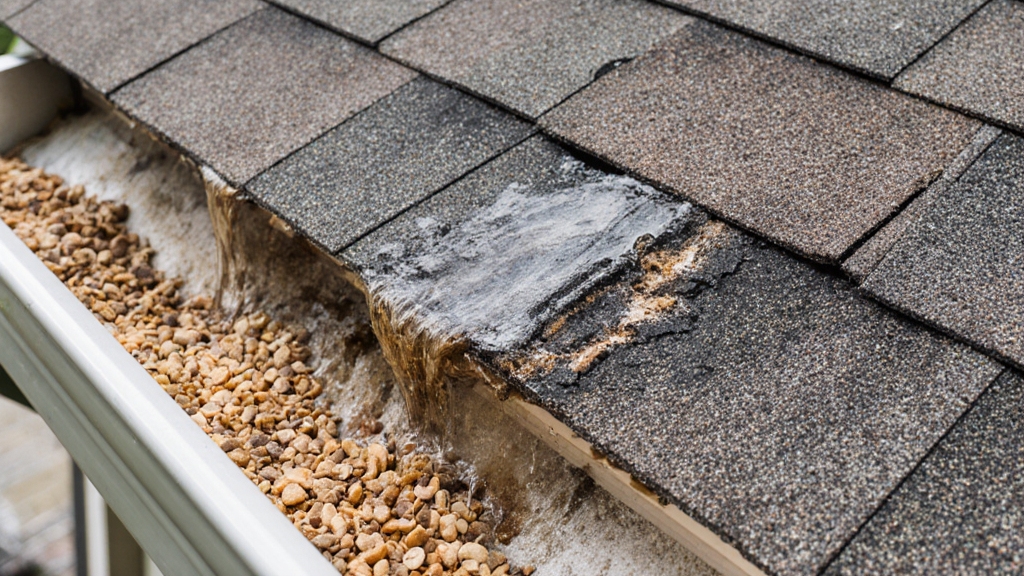
When it comes to your roof, catching damage early can save you a lot of trouble.
Look out for missing or damaged shingles, water stains on your ceiling, and granules collecting in your gutters.
These signs could indicate that your roof needs attention before the issues worsen.
Missing or Damaged Shingles
Missing or damaged shingles can lead to serious roof issues if you don’t catch them early. Regular inspections can save you from costly repairs down the line. Look for signs like curling edges, granule loss, or discoloration. If you notice these, it’s time for shingle replacement or roof repair.
Here’s a quick reference to help you identify shingle issues:
| Sign of Damage | Possible Cause | Recommended Action |
| Curling or buckling | Age or weather effects | Inspect and replace |
| Granule loss | Heavy rain or wind | Schedule repairs |
| Cracked shingles | Extreme temperatures | Replace damaged shingles |
| Missing shingles | Storm damage | Immediate replacement |
| Stained shingles | Algae or mold | Clean or replace shingles |
Stay proactive to protect your roof!
Water Stains on Ceiling
One of the most telling early signs of roof damage is the appearance of water stains on your ceiling.
These stains can indicate potential water damage, and ignoring them could lead to costly ceiling repairs.
Here are four things to look for:
- Discoloration: Yellow or brown spots often signal water pooling.
- Peeling Paint: If your ceiling paint starts to bubble or peel, it might be a sign of moisture.
- Mold Growth: Black or green spots can indicate ongoing water damage and pose health risks.
- Dripping Water: If you notice droplets, it’s essential to act immediately to prevent further damage.
Being proactive about these signs can save you from bigger headaches down the road!
Granules in Gutters
You mightn’t realize it, but finding granules in your gutters can be a significant indicator of roof damage. These small, sand-like particles are typically made from the protective layer of your shingles. If you notice granule accumulation, it’s vital to act quickly, as this can signal that your roof is deteriorating.
Regular gutter maintenance is essential; clean them out at least twice a year to prevent clogging and guarantee water flows freely. When granules collect, it not only indicates shingle wear but can also lead to leaks if water isn’t properly diverted.
Keep an eye on your gutters, and address any signs of damage promptly to extend your roof’s lifespan and maintain your home’s integrity.
Why You Should Keep Your Gutters Clean
While it might seem like a hassle, keeping your gutters clean is essential for the longevity of your roof. Neglecting gutter maintenance can lead to serious issues, including water damage and costly repairs.
Here’s why you should prioritize debris removal:
- Prevents Water Damage: Clogged gutters can cause water to overflow, damaging your roof and walls.
- Reduces Pest Infestations: Debris buildup attracts pests like insects and rodents, which can invade your home.
- Extends Roof Life: Regular cleaning helps your roof drain properly, preventing premature deterioration.
- Saves Money: By avoiding costly repairs from water damage, you can save on future expenses.
Essential Roof Maintenance Practices for Every Season
Keeping your gutters clean is just the first step in ensuring your roof remains in top condition throughout the year. To maintain your roof’s integrity, create seasonal checklists to guide your efforts. Here’s a quick overview of essential practices for each season:
| Season | Maintenance Tasks | Tools Needed |
| Spring | Inspect for damage, clean debris | Ladder, broom |
| Summer | Check for leaks, apply sealant | Caulking gun, sealant |
| Fall | Clear leaves, check insulation | Rake, gloves |
| Winter | Remove snow, check for ice dams | Roof rake, shovel |
With these maintenance tools, you can easily perform essential tasks. Regularly follow these seasonal checklists to catch potential problems early, ensuring a longer lifespan for your roof. Taking proactive measures today can save you from costly repairs tomorrow!
When to DIY vs. Hire a Professional for Roof Cleaning
Deciding whether to tackle roof cleaning as a DIY project or hire a professional can often depend on your comfort level and the extent of the work needed. Here are some key considerations to help you make that decision:
- Experience: If you’re familiar with cleaning techniques and have done it before, you might feel confident tackling it yourself.
- Safety Precautions: Be honest about your ability to work at heights and if you have the necessary safety gear.
- Extent of Work: For minor tasks like removing leaves or debris, DIY might be fine. For moss or algae, a pro can use specialized equipment.
- Time and Effort: If you’re short on time or don’t want the hassle, hiring a professional can save you stress.
How Weather Impacts Your Roof’s Lifespan
Weather plays an essential role in determining your roof’s lifespan, as various elements can greatly impact its condition. Extreme weather patterns, like heavy rain, hail, or intense heat, can cause considerable wear and tear.
For instance, prolonged exposure to moisture can lead to leaks and mold growth, while UV rays can degrade roofing materials over time.
Additionally, fluctuating climate effects can create expansion and contraction in your roof, which may result in cracks and other damage. If you live in an area prone to severe storms or temperature swings, you need to be extra vigilant.
Regular inspections and maintenance can help you catch potential issues early, extending your roof’s life considerably.
Protecting Your Roof From Tree Damage
Heavy storms and strong winds can bring more than just rain and hail; they can also lead to falling branches and debris from nearby trees.
To protect your roof from potential tree damage, follow these simple steps:
- Regular Tree Trimming: Keep your trees healthy and well-maintained. Trim back any overhanging branches that could fall during a storm.
- Branch Removal: If you notice dead or weak branches, remove them promptly. They pose a risk to your roof.
- Assess Tree Location: If you have large trees too close to your home, consider relocating them or consulting a professional for advice.
- Clean Your Gutters: Confirm your gutters are clear of debris to prevent water buildup, which can lead to further roof damage.
The Role of Proper Ventilation in Roof Longevity
How can proper ventilation enhance the lifespan of your roof? Good ventilation is vital for maintaining a healthy roof. It helps regulate temperature and control moisture, which are key factors in preventing damage.
Without proper airflow, heat and humidity can build up, leading to mold growth and premature wear on roofing materials.
There are various ventilation types, including ridge vents, soffit vents, and gable vents. Each serves a specific purpose in promoting air circulation, ensuring that warm, moist air escapes while cooler air enters.
This balance is essential for moisture control, which prevents rot and extends the life of your roof.
Choose Quality Roofing Materials for Durability
Maintaining proper ventilation is just one part of ensuring your roof lasts as long as possible.
Choosing quality roofing materials that meet durability standards is equally essential. By investing in the right materials, you can greatly extend your roof’s lifespan and protect your home.
Investing in high-quality roofing materials is crucial for extending your roof’s lifespan and safeguarding your home.
Here are four key roofing materials to evaluate:
- Asphalt Shingles: Affordable and widely used, they offer good durability for various climates.
- Metal Roofing: Known for its longevity and resistance to harsh weather, it can last decades with minimal maintenance.
- Clay Tiles: Highly durable and energy-efficient, they provide a classic look and withstand extreme temperatures.
- Slate: Exceptionally long-lasting and resistant to water, it’s a premium option that can last over a century.
How Roof Insulation Supports Maintenance Efforts
While you mightn’t realize it, effective roof insulation plays an essential role in your home’s overall maintenance. Proper insulation helps regulate your home’s temperature, ensuring that your heating and cooling systems work efficiently. This leads to lower energy bills, highlighting one of the key insulation benefits: improved energy efficiency.
Moreover, good insulation minimizes temperature fluctuations, reducing strain on your roofing materials and preventing premature wear. When your roof isn’t constantly expanding and contracting due to extreme temperatures, it lasts longer and requires fewer repairs.
Additionally, insulation can help to control moisture build-up, which can lead to mold and structural damage over time. By preventing these issues, you’re not just protecting your roof; you’re enhancing the longevity of your entire home.
How to Prepare Your Roof for Seasonal Changes
As the seasons change, taking proactive steps to prepare your roof can prevent costly damage and extend its lifespan.
Seasonal preparation is essential, so here are four key tasks you should tackle:
Seasonal preparation is crucial; tackle these four key tasks to ensure your roof remains in top shape.
- Conduct Roof Inspections: Check for missing or damaged shingles, cracks, and signs of wear. Early detection can save you from bigger issues down the line.
- Clean Gutters and Downspouts: Remove debris to guarantee proper drainage. Clogged gutters can lead to water pooling and potential leaks.
- Trim Overhanging Branches: Cut back any tree branches near your roof. This minimizes the risk of damage during storms or high winds.
- Seal Roof Penetrations: Inspect areas around vents and chimneys for proper sealing. Gaps can lead to leaks and moisture problems.
How to Choose the Right Roofing Contractor
After ensuring your roof is ready for seasonal changes, the next step is finding a reliable roofing contractor. Start by checking contractor credentials. Look for licenses, insurance, and a good track record in your area. This way, you’ll know you’re hiring someone qualified and trustworthy.
Next, ask for multiple quotes to gauge pricing transparency. A reputable contractor should provide a clear breakdown of costs, including materials and labor. Avoid any estimates that seem suspiciously low; they might indicate hidden fees or subpar work.
Additionally, read online reviews and ask for references from past clients. This will give you insights into their work quality and customer service.
Finally, trust your instincts. If something feels off during your interactions, it’s okay to keep searching. Choosing the right contractor is essential for maintaining the life of your roof, so take your time and make an informed decision.
Frequently Asked Questions
How Often Should I Replace My Roof Altogether?
You should consider replacing your roof every 20 to 25 years, depending on materials and weather impact. Regular roof inspections can help identify issues earlier, ensuring timely replacements and prolonging your roof’s lifespan.
What Is the Average Lifespan of Different Roofing Materials?
Different roofing materials have varying lifespans. Asphalt shingles last 15-30 years, while metal roofs can last 40-70 years. Your roof material comparison depends on factors like climate, maintenance, and installation quality, affecting overall lifespan.
Can I Install a New Roof Over an Old One?
Yes, you can install a new roof over old roofing, but it’s essential to check local building codes and structural integrity first. This method saves time and money, but make certain the old roof’s condition is sound.
How Does Roof Color Affect Energy Efficiency?
Roof color greatly affects energy efficiency. Lighter colors reflect sunlight, reducing heat absorption and enhancing roof insulation, which leads to energy savings. Choosing the right color can lower cooling costs and improve your home’s overall comfort.
Are There Warranties Available for Roof Maintenance Services?
Yes, there are warranty options available for roof maintenance services. Many contractors offer warranties that cover repairs and maintenance, ensuring your investment is protected. Always ask your contractor about specific warranty details before starting any work.
Final Thoughts
By prioritizing routine inspections, keeping your gutters clear, and investing in quality materials, you can greatly extend the life of your roof and avoid surprise repairs. Pairing these habits with seasonal maintenance, proper ventilation, and good insulation ensures your roofing system performs well in every kind of Michigan weather.
Still, even the most proactive homeowner needs a trusted professional to step in when signs of damage appear or when it’s time for bigger work like a full roof inspection or roof replacement. If you’re in Sterling Heights or nearby areas, the local experts at Roofing Sterling Heights MI can help you with everything from routine maintenance to specialized roofing services tailored to your home.
If you’ve noticed missing shingles, water stains, or just know it’s been a while since your last check-up, now is the ideal time to act. Schedule a professional assessment, request a free estimate, or ask questions about your options by visiting our contact page or exploring our Sterling Heights service area. Taking these proactive steps today will help ensure your roof continues to protect your home and your investment for many years to come.