
Cleaning your roof can seem overwhelming, but it doesn’t have to be. With the right approach, you can maintain your roof’s integrity while ensuring your safety. You’ll want to gather essential supplies and follow a few key steps to get the job done right. Understanding why this task is vital will also guide your efforts. So, what should you know before you start tackling that dirt and debris?
Key Takeaways
- Gather necessary supplies, including a sturdy ladder, soft-bristle brush, safety gear, and a hose for rinsing the roof.
- Inspect the roof for damages and remove debris gently to avoid scratching or denting the surface.
- Use low-pressure rinsing techniques and mild detergents to effectively clean without damaging roofing materials.
- Always wear appropriate safety gear, including non-slip shoes, goggles, and a hard hat, to protect against accidents.
- Conduct a thorough post-cleaning inspection for damages and establish a regular maintenance schedule to prevent future issues.
Step-By-Step Guide to Cleaning Your Roof
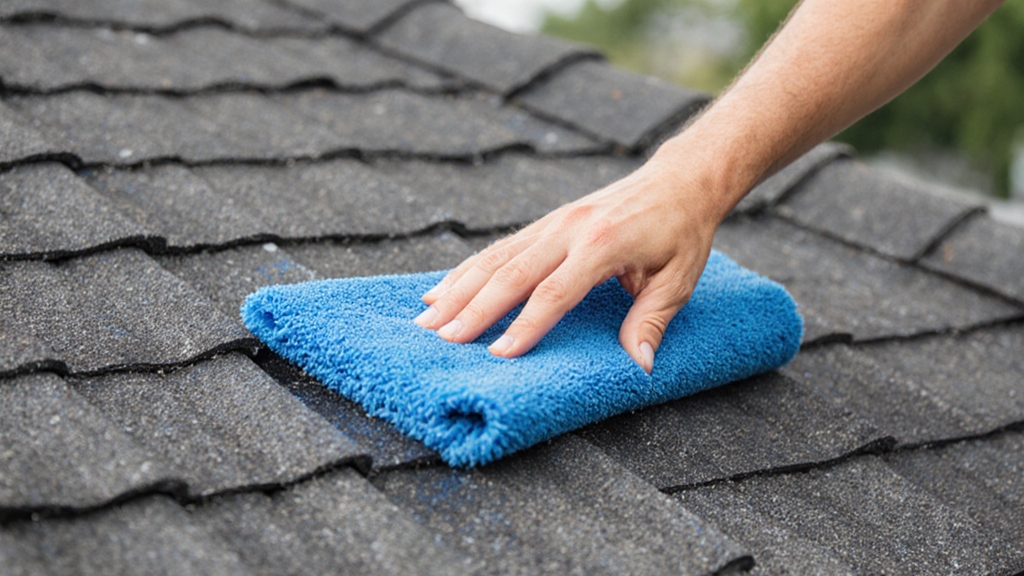
Cleaning your roof might seem intimidating, but with a clear plan, you can tackle it safely and effectively. Start by gathering your supplies: a sturdy ladder, soft-bristle brush, safety gear, and a hose.
First, climb up and inspect your roof for damages and debris. Remember, seasonal roof maintenance is key to prolonging its life.
Next, use the brush to gently remove leaves, moss, and dirt. Avoid using harsh chemicals, as they can cause more harm than good.
Once you’ve cleared the surface, rinse your roof with a hose to wash away remaining debris.
After cleaning, check for any signs of wear and tear to address immediately. Regular roof cleaning benefits you by preventing mold growth and extending the lifespan of your shingles.
Why Cleaning Your Roof Matters
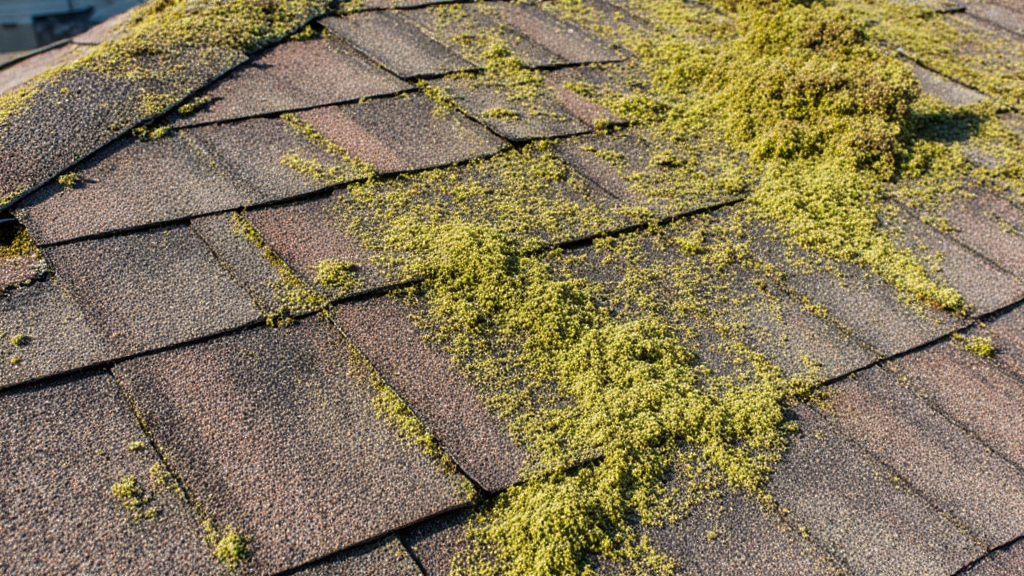
Cleaning your roof isn’t just about aesthetics; it plays an essential role in preventing structural damage.
By removing debris and moss, you can extend your roof’s lifespan and avoid costly repairs.
Plus, a clean roof greatly boosts your home’s curb appeal, making it more inviting.
Prevent Structural Damage
Since your roof serves as the first line of defense against the elements, neglecting its upkeep can lead to serious structural damage over time.
Regular cleaning is essential for maintaining roof longevity and preventing costly repairs. Here’s why you should prioritize preventative maintenance:
- Mold and Mildew Prevention: Algae and debris can trap moisture, leading to mold growth that weakens your roof structure.
- Debris Removal: Leaves and branches can clog gutters, causing water to pool and seep into your home.
- Extended Lifespan: By keeping your roof clean, you reduce wear and tear, ultimately extending its lifespan.
Taking these steps not only enhances safety but also protects your investment in your home.
Regular maintenance is key!
Enhance Curb Appeal
A clean roof not only protects your home but also greatly boosts its curb appeal. When your roof is free of dirt, algae, and debris, it enhances the overall exterior aesthetics of your property.
This visual improvement can make your home look well-maintained and inviting, which is essential if you’re considering selling or simply want to impress visitors.
Potential buyers often notice a dirty roof, leading them to question the home’s upkeep. By regularly cleaning your roof, you convey that you care about your property.
This attention to detail can make a significant difference in how your home is perceived. So, invest the time and effort in roof cleaning—it’s a simple way to elevate your home’s curb appeal and value.
Signs Your Roof Needs a Cleaning
If you notice dark streaks or patches on your roof, it’s a clear sign that it needs a cleaning. Roof discoloration can be caused by algae, moss, or lichen, which not only look unsightly but can also damage your roofing materials over time.
Pay attention to these signs:
- Debris Accumulation: Leaves, twigs, and other debris can trap moisture and lead to mold growth.
- Stains or Blotches: Dark stains often indicate algae or mildew, which thrive in humid conditions.
- Peeling Paint or Worn Spots: If you see paint peeling on your home’s exterior or worn spots on shingles, it might be time for a roof cleaning.
Safety First: Essential Gear for Roof Cleaning
Before you start cleaning your roof, it’s vital to gear up properly.
You need protective clothing, essential safety equipment, and a solid fall prevention strategy to keep yourself safe.
Let’s break down what you’ll need to tackle this task without risking injury.
Protective Clothing Requirements
When tackling roof cleaning, wearing the right protective clothing is essential for your safety. The right clothing materials can prevent injuries and guarantee you stay comfortable while working.
Here are three key items of protective gear you should consider:
- Non-slip shoes: These provide traction on the roof, reducing the risk of slips and falls.
- Long-sleeved shirts and pants: Made from durable materials, they protect your skin from sharp edges and harmful chemicals.
- Safety goggles and gloves: These protect your eyes and hands from debris and cleaning agents, ensuring you can work without worry.
Essential Safety Equipment
To guarantee your roof cleaning project goes smoothly, investing in essential safety equipment is important.
First, you need sturdy, non-slip shoes to maintain grip on the roof’s surface. In addition, a high-quality harness will keep you secure while using roof cleaning tools.
Don’t forget a hard hat to protect your head from any falling debris. Eye protection is also critical, so wear safety goggles to shield your eyes from chemicals and dirt.
Additionally, consider using gloves to prevent skin irritation from cleaning solutions.
Finally, a reliable ladder is necessary for safe access to your roof.
Fall Prevention Strategies
Having the right safety gear is just the start; implementing effective fall prevention strategies is equally important for a safe roof cleaning experience.
Here are three essential strategies to enhance roof safety:
- Inspect Ladder Stability: Always check your ladder before use. Verify it’s on level ground, and the feet are secure to prevent slipping.
- Use a Harness: Wearing a safety harness attached to a secure anchor point can prevent falls. It’s a simple yet effective way to stay safe while moving around on the roof.
- Work with a Buddy: Having someone nearby can help monitor your stability and provide assistance if needed. It’s always safer to work as a team when tackling roof cleaning tasks.
Choosing the Right Cleaning Method for Your Roof
Choosing the right cleaning method for your roof is crucial, as different materials require specific approaches to avoid damage. For instance, asphalt shingles often benefit from soft washing, which uses low pressure and eco-friendly cleaners to prevent granule loss.
On the other hand, metal roofs can typically handle pressure washing, allowing you to remove tough stains effectively.
When considering roof cleaning techniques, always assess the condition of your roof and any existing damage. Avoid harsh chemicals that could harm your shingles or surrounding vegetation.
Incorporating proper roof maintenance strategies, such as regular inspections and cleaning, will prolong your roof’s lifespan.
Additionally, consider the weather. It’s best to clean your roof on a dry day to allow for thorough drying afterward.
DIY vs. Professional Roof Cleaning: What’s Best for You?
When deciding between DIY and professional roof cleaning, consider both cost and safety.
While you might save money with a DIY approach, the risks involved can outweigh the benefits.
Assess your comfort level with heights and cleaning chemicals before making a choice.
Cost Considerations
Whether you’re considering a DIY approach or hiring a professional for roof cleaning, it’s crucial to weigh the costs and benefits of each option.
Here are some budget considerations to keep in mind:
- DIY Costs: You’ll need to factor in cleaning supplies, equipment rental, and potential safety gear. These cleaning expenses can add up quickly.
- Professional Fees: Hiring experts usually involves a higher upfront cost, but they often come with warranties and expert knowledge.
- Time Investment: Doing it yourself may take longer, impacting your time and effort, while professionals typically complete the job efficiently.
Ultimately, choose the option that best fits your budget and comfort level.
Balancing cost and value will guarantee you make the right decision for your roof.
Safety And Risks
While tackling roof cleaning on your own might seem like a cost-effective solution, it’s vital to contemplate the safety risks involved. Climbing onto your roof exposes you to various roof hazards, such as slippery surfaces and unstable structures.
If you don’t follow proper safety protocols, you could face serious injuries.
Professionals, on the other hand, are trained to handle these situations safely and efficiently. They use specialized equipment and know how to navigate your roof without compromising their safety.
Weighing the pros and cons is significant. If you’re not comfortable with the risks or lack experience, hiring a professional might be the best choice.
Ultimately, prioritizing safety guarantees you protect both yourself and your property.
Preparing for Your Roof Cleaning Project
Before you start your roof cleaning project, it’s important to gather the right tools and materials to guarantee a safe and effective process.
Good roof preparation sets the stage for a successful cleaning. Here’s what you need to collect:
- Cleaning Supplies: Choose a roof-safe cleaning solution that targets mold, algae, and dirt. Make sure it’s suitable for your roof type.
- Safety Gear: Equip yourself with non-slip shoes, gloves, and eye protection to protect your safety while working at heights.
- Ladders and Harnesses: Use a sturdy ladder and consider a harness for additional safety. This helps prevent falls and accidents while you clean.
Taking the time to prepare won’t only enhance your efficiency but also guarantee you’re working safely.
With the right tools and mindset, you’ll tackle your roof cleaning project with confidence.
Pressure Washing Your Roof: Tips You Need to Know
When it comes to pressure washing your roof, choosing the right pressure washer is vital for effective cleaning.
You’ll also need to follow specific safety precautions to protect yourself and your home.
Let’s explore these important tips to guarantee your roof cleaning goes smoothly.
Choosing The Right Pressure Washer
Choosing the right pressure washer is essential for safely cleaning your roof, as using the wrong equipment can lead to damage.
Here are three key factors to evaluate when selecting a pressure washer:
- Pressure Washer Types: Opt for an electric model for lighter jobs and a gas model for tougher stains or larger roofs.
- Pressure Rating: Look for a washer with a pressure rating between 1,500-2,500 PSI to effectively clean without harming your roof materials.
- Pressure Washer Accessories: Invest in a rotating nozzle or surface cleaner attachment to enhance your cleaning efficiency and reduce the risk of streaking.
Safety Precautions To Follow
While cleaning your roof can greatly enhance its appearance and longevity, following safety precautions is crucial to prevent accidents and damage.
First, always wear appropriate safety gear, including non-slip shoes, gloves, and goggles, to protect yourself from debris and chemicals.
When using a ladder, make certain it’s stable and positioned on a flat surface. Maintain three points of contact when climbing, and never lean too far to one side. If possible, have someone hold the base of the ladder for added stability.
Additionally, avoid cleaning your roof during wet or windy weather, as this can increase the risk of slips and falls.
Effective Chemical Solutions for Roof Cleaning
Many homeowners find that effective chemical solutions can make roof cleaning easier and more efficient.
Using the right roof cleaning products and chemical application methods helps you tackle stubborn stains and algae growth. Here are three effective solutions to take into account:
- Sodium Hypochlorite: This bleach-based solution is excellent for removing mold and mildew. Just dilute it with water before applying.
- Oxygen Bleach: A safer alternative, oxygen bleach is non-toxic and biodegradable. It works well on organic stains without harming your plants.
- Commercial Roof Cleaners: Many products on the market are specifically designed for roof cleaning. Always follow the manufacturer’s instructions for the best results.
When using these chemical solutions, make sure you wear protective gear and follow safety precautions.
With the right approach, your roof will look clean and well-maintained in no time!
Natural Cleaning Alternatives: Eco-Friendly Options
If you prefer a more environmentally friendly approach to cleaning your roof, there are several natural alternatives that can effectively tackle stains and moss without the harsh chemicals.
One popular option is using a mixture of vinegar and water. This solution acts as a natural disinfectant and can break down dirt and grime.
You can also try baking soda, which is great for scrubbing away stubborn stains while being gentle on the environment.
Another effective method is using biodegradable products specifically designed for green cleaning. These products are formulated to be safe for both your roof and the surrounding ecosystem.
You can often find eco-friendly roof cleaners at local home improvement stores or online.
Removing Moss and Algae Safely
Since moss and algae can’t only mar your roof’s appearance but also cause damage over time, it’s crucial to remove them safely.
Here are some effective moss removal techniques you can use:
- Manual Removal: Use a soft-bristle brush to gently scrub away the moss or algae. This method minimizes damage to your roofing material.
- Homemade Solutions: Mix equal parts of water and white vinegar or baking soda. Spray it on the affected areas and let it sit for about 30 minutes before rinsing.
- Commercial Cleaners: Consider using eco-friendly commercial products specifically designed for moss and algae removal. Follow the instructions for safe application.
Additionally, implementing algae prevention strategies, such as trimming overhanging branches and maintaining proper drainage, can help keep your roof clean and healthy for years to come.
Preventing Future Buildup: Roof Cleaning Maintenance Tips
To keep your roof clean and free from future buildup, regular maintenance is crucial. Start by establishing a cleaning schedule that suits your climate and surroundings. If you live in a damp area, you might need to check your roof more often for moss and algae. Trim overhanging branches to minimize debris and discourage growth.
Inspect your roof regularly for cracks, loose shingles, or any signs of damage that could lead to leaks and further buildup. Keep gutters and downspouts clear to guarantee proper water drainage, preventing standing water that can lead to moss and algae growth.
Consider using a roof-safe cleaner periodically to help prevent mold and mildew.
When to Schedule Regular Roof Cleanings?
Regular roof maintenance sets the stage for knowing when to schedule cleanings.
To keep your roof in top shape, consider these seasonal considerations and scheduling frequency:
- Spring Cleaning: As winter melts away, take advantage of the warmer weather. Remove debris and check for any damage caused by snow or ice.
- Summer Check: The dry season is perfect for a thorough cleaning. Look for moss or algae growth, which can thrive in warmer months.
- Fall Preparation: Before winter arrives, clean off leaves and debris to prevent clogging gutters and promoting mold growth during cold months.
Caring for Different Roof Materials During Cleaning
When cleaning your roof, it’s essential to contemplate the material, as each type requires specific care to avoid damage.
For metal roofs, stick to soft brushes and gentle cleaners. High-pressure washing can dent or scratch the surface, so opt for a low-pressure rinse instead. You’ll want to remove debris carefully, ensuring you don’t leave any scratches behind.
When cleaning metal roofs, use soft brushes and gentle cleaners to avoid scratches and dents.
If you have tile roofs, be cautious with your approach. Tiles can be fragile, so avoid walking directly on them unless necessary.
Use a broom to sweep off dirt and leaves, and a mixture of water and mild detergent for stubborn stains. Always rinse thoroughly to prevent any soap residue from causing discoloration.
Common Mistakes to Avoid While Cleaning Your Roof
Cleaning your roof can be rewarding, but it’s easy to make mistakes that could lead to damage or injury. To guarantee you’re on the right track, avoid these common errors:
- Using Incorrect Roof Cleaning Tools: Always choose tools that are suitable for your roof type. Using the wrong equipment can cause scratches or damage to shingles.
- Neglecting Safety Precautions: Don’t forget to prioritize safety. Use a sturdy ladder, wear non-slip shoes, and consider a harness if your roof has a steep pitch.
- Improper Roof Cleaning Techniques: Avoid high-pressure washing, which can dislodge shingles. Instead, use gentle cleaning techniques, like a soft brush or a low-pressure spray, to protect your roof while effectively removing dirt and debris.
Inspecting Your Roof After Cleaning
Inspecting your roof after cleaning is essential to guarantee its longevity and integrity. Once you’ve completed the cleaning process, take the time to conduct a thorough roof inspection.
Start with your post cleaning checklist, which should include checking for loose shingles, debris accumulation, and any signs of water damage. Look for stains or discoloration, as these can indicate underlying issues.
Don’t forget to examine the gutters and downspouts, ensuring they’re clear and functioning properly. Pay attention to any flashing around chimneys or vents, as this is a common area for leaks.
If you notice any problems during your inspection, address them promptly to prevent further damage. Remember, regular roof inspections not only help maintain your roof but also extend its lifespan.
Signs It’s Time to Replace Your Roof Instead of Cleaning?
How can you tell if it’s time to replace your roof rather than just giving it a good cleaning?
Understanding the roof’s lifespan and recognizing replacement indicators can save you from more extensive damage down the road.
Here are three signs to watch for:
- Missing or Damaged Shingles: If you notice several shingles missing or severely damaged, it’s a clear indication that your roof may need replacement.
- Leaking or Water Damage: Frequent leaks or water stains on your ceilings indicate that your roof’s integrity is compromised.
- Sagging Roof Deck: A noticeable sag in your roof suggests structural issues that cleaning won’t resolve.
If you see one or more of these signs, consider a replacement instead of just cleaning.
It’s essential to guarantee your home remains safe and protected from the elements.
Frequently Asked Questions
How Often Should I Clean My Roof?
You should clean your roof at least once a year for proper roof maintenance. If you live in a wooded area, consider increasing the cleaning frequency to keep leaves and debris from causing damage.
Can Roof Cleaning Damage Shingles?
Yes, roof cleaning can damage shingles if you use harsh cleaning methods. To guarantee proper shingle maintenance, opt for gentle solutions, like soft washing, which effectively cleans without compromising the integrity of your roof.
What Is the Best Time of Year for Roof Cleaning?
The best time for roof cleaning is spring. Seasonal considerations, like avoiding harsh weather, make this ideal. Spring cleaning allows you to clear debris and assess damage while enjoying milder temperatures and better working conditions.
Are There Any Permits Required for Roof Cleaning?
Yes, you might need permits for roof cleaning, depending on local regulations. It’s best to check with your local authorities to guarantee you comply with any permit requirements before starting your cleaning project.
Will Roof Cleaning Void My Warranty?
Cleaning your roof might void your warranty, depending on the methods you use. Always check your warranty coverage details to confirm any cleaning methods align with the manufacturer’s guidelines to maintain your coverage.
Final Thoughts
Cleaning your roof doesn’t just enhance its appearance; it also plays a key role in extending its lifespan and keeping your home protected. By using safe cleaning methods, wearing proper safety gear, and inspecting your roof thoroughly afterward, you’re more likely to spot minor issues—like loose shingles, early leaks, or moss buildup—before they turn into costly repairs.
If you’d rather leave the ladder and safety harness to a professional, the team at Roofing Sterling Heights MI is here to help. We offer thorough roof inspections and comprehensive roofing services for homeowners in Sterling Heights and the surrounding areas, so your roof gets the expert care it deserves.
If you’ve recently cleaned your roof and noticed stains, damage, or worn areas, don’t wait for the problem to worsen. Visit our contact page today to schedule a professional inspection or request an estimate. Taking action now helps ensure your roof stays clean, safe, and ready to protect your home for years to come.