
You’re facing a critical decision about your home’s roof, and it’s crucial to understand the differences between roof replacement and roof repair. You’ll need to assess your roof’s condition, recognize signs of damage, and evaluate the extent of the damage. As you weigh your options, you’ll consider factors like budget, roofing materials, and safety risks. You’re about to discover which choice is right for you, and what to expect next.
Key Takeaways
- Assess roof age and condition before deciding.
- Repair for minor issues, replace for major damage.
- Budget constraints influence repair or replacement.
- Roof replacement is a long-term investment option.
- Regular inspections prevent costly future repairs.
Understanding Your Roof’s Condition
Most homeowners don’t think about their roof until it starts leaking or shows signs of wear. You should prioritize roof maintenance to extend its lifespan.
The type of roofing materials used can affect your roof’s durability and energy efficiency. Seasonal inspections can help identify potential issues before they become major problems.
Weather impacts, such as heavy rainfall or extreme temperatures, can also affect your roof’s condition. It’s crucial to evaluate insurance coverage and warranty considerations when installing a new roof.
Recognizing Signs Of Roof Damage

How do you know if your roof’s condition is deteriorating? You notice signs of wear and tear, such as shingle wear, granule loss, and surface deterioration.
Leak detection is vital to prevent moisture issues, mold growth, and insulation impact.
Early leak detection prevents moisture issues and mold growth
- Storm damage can cause flashing problems and weaken your roof’s structure.
- Poor roof maintenance leads to moisture issues and surface deterioration.
- Neglecting repairs can result in costly replacements, so it’s important to address issues promptly to prevent further damage.
How To Evaluate The Extent Of Your Roof’s Damage
As you assess your roof’s condition, you’ll need to evaluate the extent of the damage to determine the best course of action. You’re doing a damage assessment to decide whether to repair or replace your roof.
| Damage Type | Repair Strategies |
| Leaks | Seal gaps |
| Missing shingles | Replace shingles |
| Cracked shingles | Replace shingles |
| Damaged flashing | Replace flashing |
| Structural damage | Consult professional |
You’ll consider repair strategies based on the damage. Evaluating the extent of your roof’s damage helps you make an informed decision.
Assessing Your Roof’s Age And Its Implications
You’re now evaluating your roof’s age, which greatly impacts the damage level and potential replacement cost.
As you assess your roof’s condition, you’ll need to reflect on its age, noting that older roofs typically require more extensive repairs or even replacement.
You’ll have to weigh the cost of repairing vs replacing your roof, taking into account its age and the level of damage it’s sustained over time.
Roof Age
Your roof’s age is a critical factor in determining whether it needs replacement or repair. You should consider your roof’s lifespan and maintenance schedules.
- Check the roof’s installation date
- Review your maintenance schedules
- Assess the roof’s condition
This helps you decide if repair or replacement is best. Knowing your roof’s age helps you plan for its maintenance and potential replacement, ensuring you get the most out of its lifespan.
Damage Level
Most roof damage is directly related to its age, and it’s vital to assess the level of damage to determine the best course of action.
You’re looking to identify the extent of the damage to your roof. Conduct a thorough damage assessment to evaluate the condition of your roof.
This assessment will help you explore available repair options. Consider the severity of the damage and its location when evaluating these options.
You can then decide which repair options are best for your roof, ensuring you make an informed decision about its maintenance.
This assessment is critical.
Replacement Cost
As the roof ages, its likelihood of needing replacement increases, and it’s important to evaluate the costs involved.
You’ll need to contemplate replacement financing options.
When evaluating your roof’s age, you’ll find:
- Material options vary in cost
- Financing plans can be tailored
- Budgeting for replacement is key
You’re weighing these factors to make a decision, taking into account your roof’s condition and your budget.
Replacement costs depend on material options and financing plans, so it’s vital to research and plan carefully.
Budgeting For Roof Repair Vs Replacement: A Guide
How do you decide what to allocate when it comes to roof repair vs replacement? You consider your budget constraints and weigh the costs of repair against the benefits of a long term investment in a new roof.
You factor in maintenance costs, financing options, and insurance coverage. Seasonal considerations also play a role, as repairs may be more urgent during certain times of the year.
Consider maintenance costs, financing, and insurance when deciding on roof repair or replacement.
When choosing between repair and replacement, you think about material choices and their environmental impact. By evaluating these factors, you can make an informed decision that works for you.
You’ll want to prioritize your needs and budget to guarantee you’re making the best choice for your roof and your wallet.
What Drives The Cost Of Roof Repairs?
You’ve considered your budget and weighed the costs of repair against replacement, now it’s time to look at what drives the cost of roof repairs. Cost influencers include repair materials, labor expenses, and seasonal pricing.
- Regional variations and insurance coverage can also impact costs.
- Emergency repairs may incur higher labor expenses.
- Warranty implications can affect the cost of repair materials.
Considering these factors, you can better understand the total cost of roof repairs, including labor expenses and repair materials, and how they’re influenced by regional variations, seasonal pricing, and insurance coverage, as well as potential warranty implications and emergency repairs.
Roof Replacement Costs: Average Prices And Factors
Roof replacement costs vary widely, depending on factors like roof size, material, and complexity.
You’ll need to evaluate the type of roofing materials you want, as they can greatly influence the cost. For instance, asphalt shingles are generally cheaper than metal or tile roofs.
Roofing materials greatly influence cost, with asphalt shingles often being cheaper than metal or tile roofs.
When planning your roof replacement, you should also think about seasonal considerations, as weather conditions can affect the replacement process. If you live in an area with harsh winters, it’s best to replace your roof during the warmer months.
On average, you can expect to pay between $5,000 to $20,000 or more for a roof replacement, depending on your location and the materials you choose.
Is Diy Roof Repair A Viable Option For Homeowners?
When it comes to fixing a damaged roof, can DIY repair be a cost-effective solution for homeowners like you? You’ll need to take into account DIY techniques, cost analysis, and material selection.
- Assess your skill level to avoid common mistakes.
- Make sure you have the necessary tool essentials and safety considerations.
- Manage your timeline to complete the repair efficiently.
The Importance Of Professional Roof Inspection
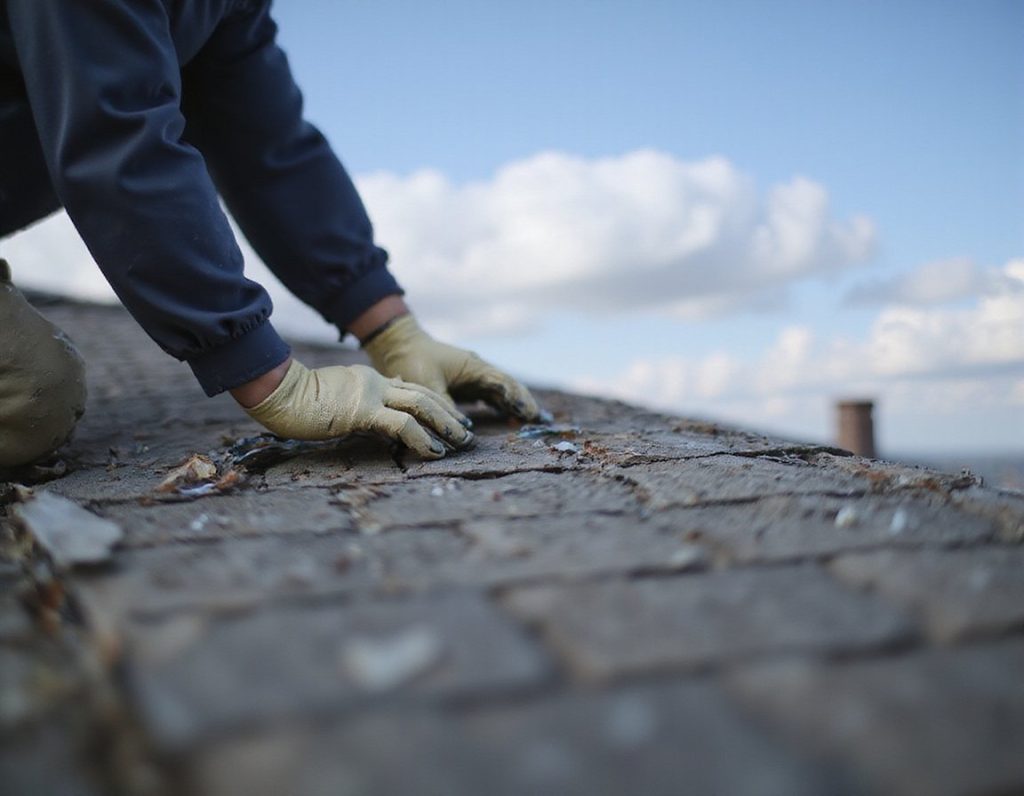
As you consider DIY repairs or weigh the pros and cons of a full replacement, it’s essential that a professional inspect your roof, because they can identify potential issues you might miss.
You’ll benefit from their expertise, as they can detect hidden problems that could compromise your roof’s longevity. A professional inspection provides numerous benefits, including identifying areas where repairs are needed to prevent further damage.
It can also help you make informed decisions about whether to repair or replace your roof. By investing in a professional inspection, you’ll gain a clearer understanding of your roof’s condition and can take steps to guarantee its longevity.
This inspection will help you prioritize repairs and maintenance, ultimately extending the life of your roof and protecting your home.
Inspection benefits include cost savings and peace of mind.
Roof Repair Vs Replacement: A Comparative Analysis
You’re considering two options for your roof: repair or replacement, and it’s essential to weigh the cost factor and damage level.
When you compare these two, you’ll find that the cost factor can vary greatly, depending on the extent of the damage.
You’ll need to assess the damage level to determine whether a repair will suffice or if it’s more cost-effective to replace your roof altogether.
Cost Factor
The cost factor is a critical consideration when deciding between roof replacement and roof repair.
You’ll need to conduct a cost analysis to determine which option is best for you. Consider the following:
- Initial cost
- Long-term savings
- Financing options.
You’re looking for a solution that fits your budget, so it’s crucial to weigh the costs and explore available financing options.
This helps you make an informed decision that works for you, considering your financial situation and priorities.
Damage Level
When evaluating the damage to your roof, it’s crucial to determine its extent, because this factor will considerably influence your decision to repair or replace it.
You’ll need to conduct a thorough damage assessment to identify the issues. This assessment will help you decide on the best course of action.
If the damage is minor, you can consider repair solutions that won’t break the bank. However, if the damage is extensive, it’s likely more cost-effective to replace your roof.
How Long Does A Roof Repair Typically Last?
How long can you expect a roof repair to last? You’re likely wondering if it’s a long-term solution. The roof lifespan after a repair can vary, depending on the type and quality of the repair.
- Small leaks: may only need a single fix.
- Medium-sized issues: might require more frequent repairs.
- Major problems: could lead to a shorter roof lifespan, increasing repair frequency.
You should consider these factors when deciding between repair and replacement, as they impact your roof’s overall lifespan and maintenance needs.
Benefits Of Replacing Your Roof
You’re considering whether to replace or repair your roof, and it’s crucial to weigh the benefits of a new roof.
If you replace your roof, you’ll get to enjoy new roof benefits like increased energy efficiency and enhanced curb appeal.
New Roof Benefits
Replacing your roof offers numerous benefits, including enhanced curb appeal and increased property value.
You’ll gain an aesthetic upgrade, boosting your home value. Consider these benefits:
- Energy efficiency
- Warranty benefits
- Insurance considerations.
Replacing your roof can increase your property value, making it more attractive to potential buyers.
You’ll also enjoy the peace of mind that comes with a new roof and its associated benefits, such as reduced insurance costs and improved energy efficiency.
Full Replacement
When it comes to getting the most out of your roof, a full replacement can be the best option, as it allows you to start from scratch with a brand-new system. You’ll have access to new materials, reducing the environmental impact.
| Benefits | Cost | Time |
| New look | High | Long |
| Energy savings | Medium | Medium |
| Reduced maintenance | Low | Short |
You can choose materials that suit your needs, considering factors like durability and aesthetics, and you’ll likely save money in the long run.
Can Roof Repair Solve Underlying Issues?
Because roof repairs are often less expensive than full replacements, many homeowners turn to them as a solution for underlying issues.
But it’s essential to determine if a repair can actually solve the problem. You’ll want to take into account whether a repair will fix the underlying problems or just provide temporary solutions.
- Identify the root cause: of the issue to guarantee it’s addressed.
- Assess the extent: of the damage to determine the best course.
- Evaluate the age: of your roof to decide between repair or replacement, as older roofs may require more extensive work, and you don’t want to waste money on temporary solutions that won’t last.
Choosing The Right Roofing Material For Your Home
As you’re deciding on a new roof, you’ll need to contemplate what roofing material will work best for your home. You’ll consider sustainable materials, aesthetic choices, and energy efficiency.
| Material | Long Term Durability | Environmental Impact |
| Metal | High | Low |
| Asphalt | Medium | Medium |
| Clay | High | Low |
| Wood | Medium | High |
| Slate | High | Low |
You’ll weigh these factors against your local climate and priorities. Choosing the right material guarantees a roof that’s both functional and eco-friendly, minimizing its environmental impact while maximizing energy efficiency and long term durability.
Risks Of Delaying Roof Repair: Safety And Financial Impacts
You’re putting yourself at risk if you don’t address roof issues promptly, as it can lead to safety issues that affect you and your family.
By delaying roof repair, you’re also exposing yourself to financial losses that can add up quickly.
You’ll likely end up paying more in the long run if you don’t take care of roof problems sooner, rather than later.
Safety Issues
Delaying roof repair can put your family’s safety at risk, and it’s crucial to address issues promptly.
You must guarantee your home meets safety standards to prevent accidents. In case of emergencies, have emergency procedures in place.
Consider the following:
- Structural damage
- Falling debris
- Electrical hazards
Take action to protect yourself and your loved ones by addressing roof issues quickly.
Financial Losses
Because your roof is a significant investment, neglecting repair needs can lead to substantial financial losses.
You’ll face a significant financial impact if you don’t address issues promptly. Delaying repairs can cause more damage, increasing costs.
It’s crucial to evaluate the long-term savings of regular maintenance and timely repairs. By doing so, you’ll avoid costly replacements and minimize financial losses.
You can save money in the long run by addressing roof issues early, reducing the financial impact of neglecting your roof’s repair needs. This helps you make an informed decision about roof replacement or repair.
Finding A Reliable Roofing Contractor: Tips And Advice
How do you find a reliable roofing contractor when your roof needs attention? You’ll want to research contractor credentials, insurance coverage, and warranty options.
- Check customer reviews and service guarantees to confirm you’re hiring a trustworthy professional.
- Discuss project timelines and communication strategies to stay informed throughout the process.
- Verify compliance with local regulations and payment plans to avoid unexpected costs.
Consider material sourcing and make sure it aligns with your needs.
What To Expect During The Roof Replacement Process
You’re about to undertake a significant project when you decide to replace your roof, and it’s essential you know what to expect.
You’ll need to evaluate the installation timeline, material considerations, and environmental impact of your new roof.
You’ll also want to review warranty options and cleanup procedures.
If you’re filing insurance claims, you’ll need to understand the process.
Additionally, you’ll make design choices that fit your budget and style.
Financing solutions may be available to help with costs.
Frequently Asked Questions
Can I Repair My Roof in Winter?
You can repair your roof in winter, but you’re facing winter roofing challenges and repair limitations, which won’t allow you to fix everything, so you’ll have to prioritize and adapt accordingly.
Does Insurance Cover Roof Repairs?
You check your insurance policies to see if they cover roof damage, as most policies do, but you’ll need to review the terms to understand what’s covered and what isn’t exactly.
How Often Inspect My Roof?
You should inspect your roof annually, considering its lifespan, and use a thorough inspection checklist to catch potential issues early, don’t wait for problems to arise, you can’t fix what you don’t check.
Can I Mix Roofing Materials?
You can’t mix roofing materials without considering roofing compatibility and material durability, it’s essential you guarantee they’ll work together to maintain your roof’s integrity and extend its lifespan effectively.
Do I Need Permit for Repairs?
You’ll likely need a permit for repairs, check local permit requirements and repair regulations, they can vary, but it’s best you confirm with your city to verify compliance, don’t assume.
Final Thoughts
Choosing between a roof repair and a full replacement comes down to three things: the extent of the damage, the age of your roof, and what you want long-term. If the issues are isolated and your roof still has solid life left, a targeted repair can be the smart, budget-friendly move. But when problems are widespread, recurring, or tied to an aging system, replacing the roof is often the better investment for long-term protection, efficiency, and peace of mind.
At Roofing Sterling Heights MI, we help homeowners make the right call with an honest assessment and clear options. Start with a professional roof inspection so we can determine whether you need a dependable repair or a complete roof replacement. Ready to take the next step? Request your free estimate through our contact page, and check our service area to see where we work.