
Choosing the right roofing system starts with climate and code. Consider temperature swings, wind, UV, rainfall, snow load, and local fire or wind ratings. Compare materials by lifespan, cost, and maintenance: asphalt, metal, tile, or alternatives. Improve efficiency with cool roofs, ventilation, and insulation; green options add stormwater and heat benefits. Match roof style and color to the home’s architecture. Plan a detailed budget, vet warranties, and choose certified installers. The following guidance explains each decision step clearly.
Key Takeaways
- Assess local climate, roof pitch, structural capacity, and building codes to ensure performance against wind, UV, rain, snow, and fire risks.
- Compare materials by lifespan, cost, weight, and maintenance; e.g., asphalt (15–30 years), metal (40–70), tile (long-lasting, heavy).
- Prioritize energy efficiency with cool roofs, proper attic ventilation, and insulation to reduce heat gain and utility bills.
- Match roof style, color, and profile to your home’s architecture for cohesive curb appeal and resale value.
- Plan a detailed budget and select certified, insured installers; review line-item estimates and warranties for coverage and maintenance requirements.
Assess Your Climate and Local Building Conditions
Before selecting materials or styles, the homeowner’s climate and local building conditions must be evaluated to narrow viable roofing options.
Evaluate climate and site conditions first to narrow safe, durable roofing options.
A detached assessment begins with climate considerations: temperature swings, prevailing winds, UV intensity, rainfall, snow loads, and humidity. Roof pitch and structural capacity should be checked against expected weather stresses.
Exposure to salt air, wildfires, or hail requires additional performance criteria and appropriate ratings. Building regulations and local codes dictate fire classifications, wind uplift resistance, ice-barrier placement, and ventilation requirements.
Historical district rules or HOA covenants may further guide visible profiles and finishes. Site-specific factors—tree cover, sun orientation, and drainage paths—inform detailing for debris shedding and moisture control.
Together, these parameters establish a shortlist aligned with safety, durability, and regulatory compliance.
Compare Roofing Materials by Lifespan, Cost, and Maintenance
How do common roofing options stack up when judged by longevity, upfront price, and upkeep demands? A clear comparison helps homeowners budget wisely and plan for care over time. Asphalt shingles lead on affordability but trade lifespan for cost. Metal roofing carries higher initial expense yet offers extended service life and lower maintenance.
| Feeling | Why it matters |
| Relief | Predictable costs reduce surprise repairs |
| Confidence | Durable choices protect the home |
Asphalt shingles typically last 15–30 years with moderate maintenance and lower installation costs. Routine inspections, fastener checks, and timely replacement of curled tabs keep performance steady. Metal roofing often endures 40–70 years, with minimal maintenance beyond debris clearing and recoating when needed; installation is costlier but maintenance savings accumulate. Clay or concrete tile lasts longer still, though heavier structure requirements increase project expense and upkeep complexity.
Evaluate Energy Efficiency and Sustainability Options
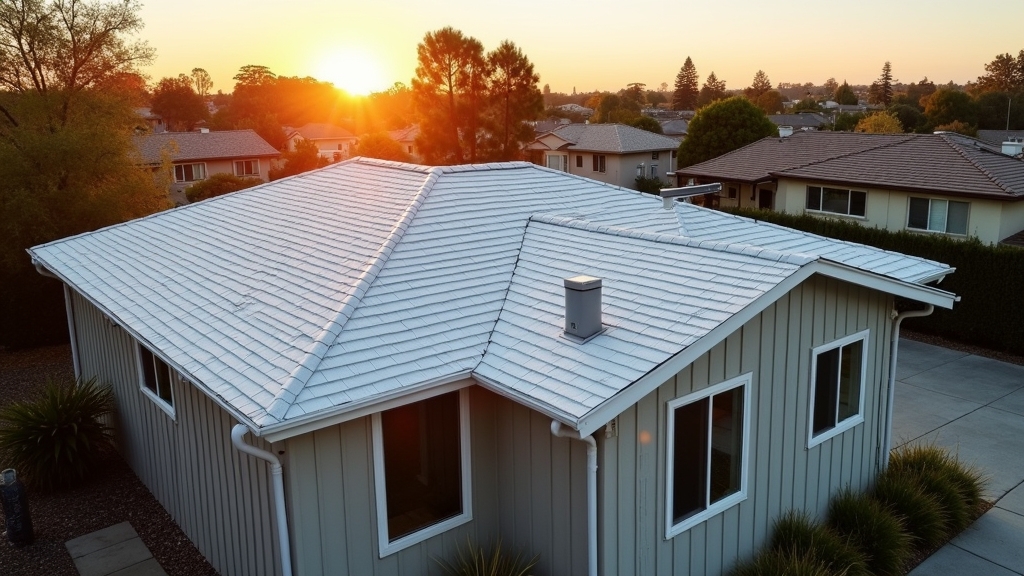
Efficiency shapes roofing choices by cutting heat gain, lowering utility bills, and reducing environmental impact. A high-performing roof reflects sunlight, ventilates attic spaces, and insulates well.
Cool roofs use reflective shingles or metal coatings to reduce surface temperatures. Proper attic insulation and air sealing prevent conditioned air loss, enhancing comfort and lowering HVAC demand.
Material selection matters. Metal and tile often outperform dark asphalt in reflectance and longevity. Green roofing adds vegetation that absorbs heat, manages stormwater, and improves air quality, though it requires structural support and waterproofing.
Integrating solar panels turns the roof into an energy generator; ideal orientation, shading analysis, and inverter selection influence returns.
Look for ENERGY STAR ratings, high solar reflectance index (SRI), and robust warranties verifying durable, efficient performance.
Match Roof Style to Your Home’s Architecture
While performance guides material choices, appearance must align with the home’s design language. Selecting roof styles that echo form, proportion, and era creates architectural harmony and strengthens curb appeal.
For Colonial or Georgian homes, symmetrical gables and dimensional asphalt or slate profiles suit the formal massing. Mediterranean designs often favor low-pitch hips with clay or concrete tiles that emphasize warmth and texture. Modern homes benefit from clean, low-slope planes, standing seam metal, or membrane systems that underscore minimal lines.
Craftsman and bungalow structures pair well with medium-pitch gables, wide eaves, and shingles that show varied shadow lines. Farmhouse forms accept metal or architectural shingles that highlight verticality.
Color should coordinate with cladding and trim, while eave depth, overhangs, and dormers must reinforce the original architectural rhythm.
Plan Your Budget, Warranties, and Installer Selection
Before materials are chosen, a clear financial plan anchors the roofing project and reduces surprises. Budget considerations should separate labor, materials, tear-off, disposal, permits, and contingencies, typically 10–15% for hidden deck repairs or code upgrades.
Comparing multiple line-item estimates helps reveal scope differences and prevents underbidding.
Comparing multiple line-item estimates reveals scope differences and helps prevent underbidding and costly surprises.
Warranty options deserve equal scrutiny. Manufacturers often offer limited lifetime coverage on defects, while contractors provide workmanship warranties with shorter terms. Length matters, but so do transferability, prorating, wind and algae coverage, and required maintenance.
Guarantee documentation specifies who handles claims and response timelines.
Installer selection should rely on licensing, insurance, manufacturer certifications, and verifiable references. A proven safety record, detailed proposal, and clear change-order process reduce risk and protect the budget and warranty validity.
Frequently Asked Questions
How Does Roof Pitch Affect Drainage and Snow Load Performance?
Roof pitch directly shapes drainage efficiency and snow load performance: steeper slopes shed water and snow faster, reducing accumulation and structural stress; low-slope designs drain slower, risk ponding, ice dams, and require stronger framing and enhanced waterproofing to manage prolonged loads.
Can I Install Solar Panels on Any Roofing System?
Yes, but solar panel compatibility varies. Roofing material considerations, structure, slope, and condition determine feasibility. Asphalt shingles, metal standing seam, and tile often work; slate or cedar require care. Flat roofs need ballasted or tilting systems. Professional assessment guarantees safety.
What Roof Options Maximize Attic Ventilation and Indoor Air Quality?
Ridge-and-soffit vent systems maximize attic ventilation and indoor air quality. He notes adding continuous ridge vents, balanced soffit intake, baffles, and light-colored, ventilated metal or cool roofs. Gable or turbine ventilation options help, alongside airtight ceilings and proper insulation.
How Do HOA Rules and Historic Districts Limit Roofing Choices?
HOA regulations and Historic district guidelines restrict materials, colors, profiles, and installation methods. They often mandate approved product lists, require permits and architectural review, limit solar visibility, and enforce preservation standards, affecting cost, timelines, warranties, and contractor eligibility.
What Emergency Repairs Prevent Leaks Until Full Replacement?
Emergency tarping, temporary patches, sealing flashing, replacing missing shingles, clearing debris, and applying roof cement around penetrations prevent leaks until full replacement. He guarantees gutters flow, secures loose vents, and installs waterproof underlayment at vulnerable valleys to stabilize water intrusion.
Final Thoughts
Selecting the right roofing system is more than just a style decision—it’s a balance of climate compatibility, durability, efficiency, and aesthetic harmony. By evaluating local weather conditions, code requirements, and roof pitch, you can narrow your material options to those that perform best for your home. Comparing choices such as asphalt shingles, metal roofing, tile roofing, or composite roofing allows you to weigh cost, lifespan, and maintenance realistically. Energy-efficient options, proper ventilation, and insulation turn your roof into an asset for both comfort and sustainability.
For expert help navigating materials, codes, and design, trust Roofing Sterling Heights MI. Our certified team offers detailed roof inspections, precision roof replacement, and dependable installation across Sterling Heights, Troy, and nearby areas.