
Roof ventilation stabilizes attic temperatures and controls moisture, which reduces HVAC strain and improves whole‑home efficiency. Balanced intake and exhaust move cooler air in and warmer, moist air out, protecting insulation and limiting ice dams. Signs of poor airflow include musty odors, damp insulation, and excessive attic heat. Correct sizing, proper vent types, and clear airflow paths are essential. Codes guide NFA and balance. Benefits include lower utility costs, longer roof life, and better comfort. There is more that can optimize results.
Key Takeaways
- Balanced intake and exhaust vents stabilize attic temperatures, reducing heating and cooling loads for measurable energy savings.
- Proper airflow removes heat and moisture, improving insulation performance and lowering HVAC runtime and costs.
- Sizing by Net Free Area (1 sq ft per 300 sq ft attic) ensures efficient, low-resistance ventilation.
- Passive systems (soffit + ridge) save energy; powered vents help when passive paths are insufficient.
- Good ventilation prevents ice dams, mold, and material fatigue, extending roof life and protecting efficiency gains.
How Roof Ventilation Supports a More Efficient Home
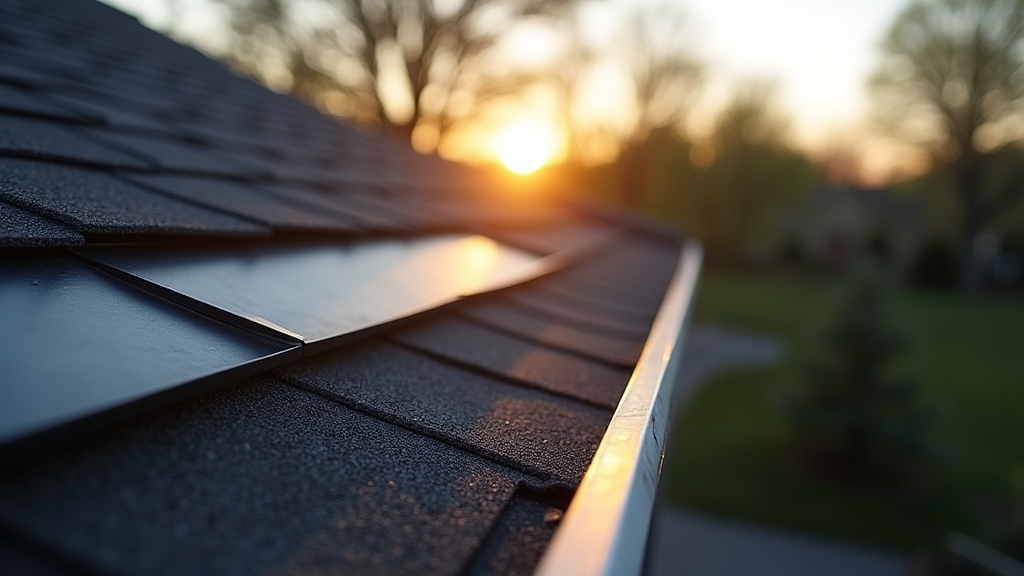
Although often overlooked, roof ventilation directly influences a home’s energy efficiency by regulating attic temperature and moisture.
When heat and humidity are controlled, insulation performs closer to its rated value, reducing strain on heating and cooling systems.
These ventilation benefits translate into steadier indoor comfort and measurable energy conservation.
The Science of Airflow: Intake and Exhaust Balance

When attic airflow is properly balanced, intake and exhaust form a continuous, low-resistance path that drives natural ventilation. In neutral conditions, cooler outside air enters low points while warmer attic air exits high points, guided by airflow dynamics and minute pressure differentials.
This balance limits heat buildup, moisture accumulation, and strain on HVAC systems. Too much exhaust without matching intake can draw conditioned air from the living space; excess intake without exhaust stalls movement and traps heat.
- Balanced openings create a predictable path that reduces turbulence and promotes steady, quiet flow.
- Small pressure differentials—caused by wind and temperature—are enough to move large air volumes when resistance is minimized.
- Even distribution across the roof plane prevents dead zones that foster condensation and material fatigue.
Common Vent Types and What They Do
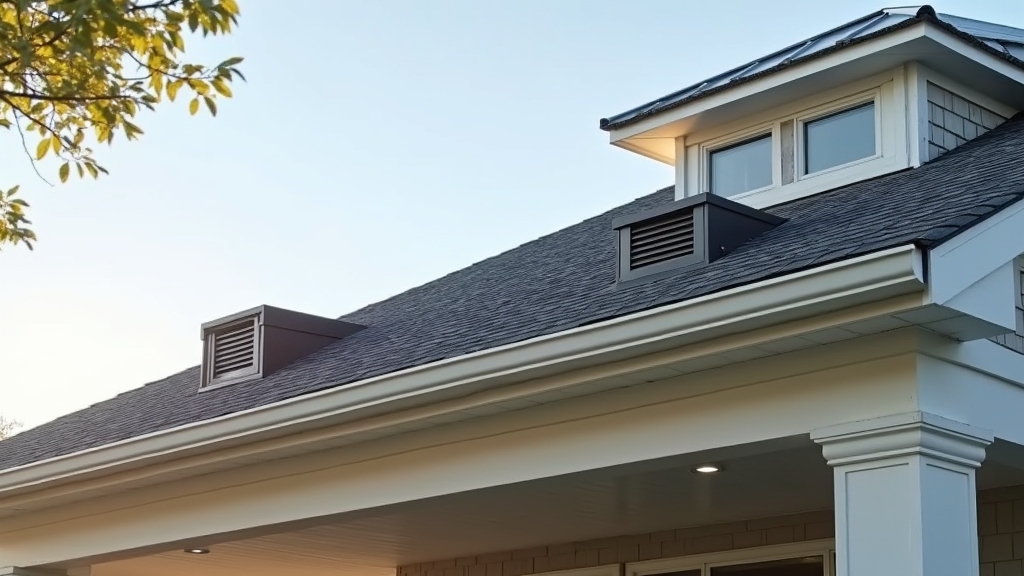
Variety defines roof ventilation, with each vent type serving a specific role in moving air efficiently through the attic.
Soffit vents act as primary intake vents, drawing cooler air along the eaves. Vented drip edges offer intake where soffits are limited.
Ridge vents run along the roof peak as continuous exhaust vents, releasing warm, moist air uniformly.
Gable vents introduce cross-breeze at gable ends but depend on wind and layout.
Static vents, including roof louvers, provide passive exhaust at fixed points.
Turbine vents spin to amplify draw when wind is present, enhancing passive movement.
Power vents use fans to force exhaust, useful when passive paths are insufficient.
Together, carefully paired intake and exhaust selections improve airflow, temperature stability, and energy efficiency.
Recognizing Poor Ventilation: Warning Signs in Your Attic
How can a homeowner tell if the attic isn’t breathing properly? Clear warning signs often appear during routine attic inspections and ventilation assessments. A musty odor, visible mold on rafters, or damp insulation signals trapped moisture.
In winter, frost on nails or sheathing suggests condensation. In summer, excessive attic heat radiating into rooms points to stagnant air. Peeling exterior paint near eaves and rusted metal fasteners also indicate poor airflow.
- Dark stains around roof fasteners or decking edges, often paired with soft or warped wood
- Insulation that feels heavy, clumpy, or compressed from moisture rather than age
- Persistent ice dams forming at roof edges after snowfall
Professionals recommend documenting conditions seasonally, checking soffit intake paths, verifying clear exhaust routes, and ensuring balanced intake-to-exhaust ratios during attic inspections and ventilation assessments.
Energy Savings: Lowering Heating and Cooling Loads
Although often overlooked, a well-ventilated roof can cut heating and cooling loads by stabilizing attic temperatures and controlling moisture.
In summer, ventilation reduces heat buildup above the ceiling plane, easing demand on air conditioners and preventing conditioned air from being overwhelmed by radiant gains.
In winter, it helps keep attics closer to outdoor temperatures, limiting heat loss from living spaces and reducing ice-dam risks tied to uneven roof temperatures.
Balanced intake and exhaust—such as soffit vents paired with ridge vents—supports continuous airflow without mechanical energy.
When combined with proper air sealing and insulation, this strategy raises energy efficiency by allowing HVAC equipment to operate fewer hours and at steadier loads.
The result is lower utility costs, longer HVAC lifespan, and a practical path to sustainable living.
Moisture Control and Mold Prevention Strategies
Moisture control begins with managing vapor movement and preventing condensation within the roof assembly and attic. Effective ventilation balances intake and exhaust, keeping humidity in check so materials stay dry and durable.
When warm, moist indoor air leaks upward, strategic moisture management directs it outside before it condenses on sheathing, interrupting the conditions that fuel mold growth. Air sealing penetrations, right-sized ventilation, and continuous insulation work together to stabilize temperature and dew point.
- Specify a continuous air barrier at ceilings, sealing around lights, ducts, and chases to limit moisture-laden leaks.
- Use code-compliant soffit and ridge vents, ensuring clear airflow paths with baffles to prevent stagnant pockets.
- Install smart vapor retarders where appropriate, allowing seasonal drying while limiting inward vapor drive.
Ice Dams: Causes and Ventilation-Based Solutions
Ice dams form when heat from the living space warms the roof deck, melts snow, and refreezes at the eaves.
Preventing this starts with balanced attic ventilation—adequate intake at the soffits and exhaust at the ridge—to keep roof temperatures even.
Complementary insulation and meticulous air sealing reduce heat loss that triggers melt-and-freeze cycles.
How Ice Dams Form
When roof surfaces warm unevenly, snow melts on the upper sections and refreezes at the colder eaves, creating a ridge that traps subsequent meltwater behind it.
This ice ridge, or dam, forms because escaping indoor heat raises roof temperature near the ridge while eaves remain below freezing. Meltwater pools, seeps under shingles, and can leak into the structure.
Key drivers include inadequate insulation, air leaks from living spaces, solar exposure differences, and clogged gutters that slow drainage.
Effective ice dam prevention focuses on keeping the roof uniformly cold so melt is minimized and runoff stays liquid to the edge.
- Temperature contrast: warm upper roof, cold eaves
- Heat sources: attic air leaks, recessed lights, duct losses
- Exterior factors: sun, wind, and gutter performance
Attic Vent Balance
Although insulation and air sealing set the stage, balanced attic ventilation keeps roof temperatures even and reduces ice dam risk. The goal is steady attic airflow that removes moist, warm air while drawing in cold, dry air.
When intake at the eaves matches exhaust near the ridge, temperatures stay uniform, limiting melt-and-freeze cycles. Proper vent placement matters: low at soffits for intake, high at ridge or gables for exhaust.
Imbalances—too much exhaust or blocked soffits—can depressurize the attic, pull conditioned air from living spaces, and create cold spots that encourage ice formation.
A useful rule is roughly equal net free area for intake and exhaust, adjusted to manufacturer ratings and climate. Baffles maintain clear intake paths above insulation, preserving continuous airflow under the roof deck.
Insulation and Air Sealing
Two foundational defenses against ice dams are insulation and air sealing, working together to keep heat where it belongs and stop warm, moist air from reaching the roof deck.
Proper insulation materials limit conductive heat loss, keeping attic temperatures closer to outdoor conditions. Complementary air sealing techniques block gaps around light fixtures, chimneys, and top plates, reducing convective heat and moisture flow that fuels melt-freeze cycles.
When paired with balanced ventilation, these measures help maintain a cold roof surface and a dry attic, minimizing ice dam formation while improving energy efficiency and indoor comfort.
- Add or upgrade insulation materials to meet code-recommended R-values.
- Apply air sealing techniques before insulating to prevent hidden bypasses.
- Preserve ventilation channels with baffles to keep soffit-to-ridge airflow unobstructed.
Sizing Ventilation: Calculating Net Free Area (NFA)
Before selecting vents, accurate sizing starts with calculating Net Free Area (NFA)—the unobstructed area through which air can move. NFA determines whether the attic exchanges enough air to limit heat buildup and moisture migration.
Effective ventilation calculations begin with attic floor area. A common baseline is 1 square foot of NFA per 300 square feet of attic when a balanced system and vapor control exist; otherwise, 1:150 is used.
Next, NFA must be split roughly 50/50 between intake (soffits) and exhaust (ridge or roof vents) to sustain continuous airflow. Manufacturers list NFA per vent; add units until the totals meet airflow requirements.
Adjust for screening or louvers by using the manufacturer’s “net” value, not gross opening size. Distribute vents evenly to avoid short-circuiting and dead zones.
Climate Considerations: Hot, Humid, and Cold Regions
With NFA sized and balanced between intake and exhaust, climate now dictates how that ventilation should perform throughout the year.
In hot regions, ventilation moves superheated attic air out quickly, reducing cooling load and shingle stress under temperature extremes.
In humid zones, steady airflow limits humidity effects by flushing moist air that can condense on cooler surfaces, curbing corrosion and biological growth.
In cold climates, ventilation expels indoor moisture that migrates upward and keeps roof decks cold to reduce ice dam formation without over-drying materials.
- Hot: prioritize continuous exhaust at ridges and ample intake to shed heat rapidly.
- Humid: guarantee clear, unobstructed paths to dilute moist air before it condenses.
- Cold: maintain consistent winter airflow to manage moisture and stabilize roof temperatures.
Pairing Ventilation With Insulation and Air Sealing
Although ventilation moves air, performance depends on how well the building controls heat and moisture at the boundaries.
Effective roof ventilation strategies must be coordinated with insulation and air sealing so the thermal and air barriers are continuous. Air sealing limits uncontrolled leaks that bypass vents, reducing condensation risks and stabilizing indoor temperatures.
Coordinate roof ventilation with insulation and air sealing for continuous barriers, reduced condensation, and steadier indoor temperatures.
Insulation compatibility matters: baffles maintain soffit-to-ridge airflow in vented attics, while properly rated insulation avoids blocking intake paths. In cathedral ceilings, vent channels above insulation preserve airflow without compromising R-value.
For unvented assemblies, closed-cell spray foam at the roof deck can provide both insulation and an air barrier when code permits.
Detailing around penetrations, top plates, and attic hatches guarantees designed airflow paths function as intended, maximizing energy efficiency.
Choosing Between Passive and Powered Vent Options
Choosing between passive and powered vents often hinges on climate and roof design; wind exposure, roof pitch, and attic layout influence which system moves air reliably.
Energy use and noise also separate the options, with powered units drawing electricity and producing audible operation while passive vents run silently.
The following section compares performance trade-offs to guide selection for specific homes and regions.
Climate and Roof Design
Because climate drives airflow behavior and moisture risk, roof design should dictate whether passive or powered ventilation is appropriate.
In hot, arid climate zones, steady thermal buoyancy favors passive ridge and soffit systems, especially on simple gable roofs with continuous airflow paths.
In humid or mixed regions, powered vents may be justified when complex roof geometries or low-pitch assemblies restrict natural flow. Roof materials also matter: dark shingles raise attic temperatures, increasing the stack effect; metal roofs often run cooler and shed heat quickly, supporting passive strategies.
- In cold climates, prioritize passive intake and exhaust that limit ice-dam formation while protecting air barriers.
- In coastal humidity, consider powered assist to clear latent moisture from tight, intricate roofs.
- Match vent sizing to roof area, pitch, and prevailing winds for reliable performance.
Energy Use and Noise
While both systems move air, they do so with very different resource footprints and acoustic profiles. Passive vents rely on wind and buoyancy, so energy consumption is effectively zero and mechanical failure risk is low. Powered vents use electricity to force airflow, offering control during still, humid conditions but raising operating costs and maintenance. For noise reduction, passive designs remain nearly silent, whereas powered units vary by motor quality, fan speed, and installation. In mixed climates, a hybrid approach—balanced intake and ridge vents, with a smart, low-sone fan for peaks—can optimize comfort without excess draw.
| Option | Energy Consumption | Noise Profile |
| Passive | None | Minimal |
| Powered (Standard) | Moderate | Noticeable |
| Powered (EC motor) | Lower | Quiet |
| Solar-Powered Fan | Sun-dependent | Quiet |
| Hybrid Strategy | Situational | Low when tuned |
Installation Best Practices for Lasting Performance
Dial in the details before a single fastener goes down: proper layout, manufacturer-specific clearances, and code-compliant intake-to-exhaust balance determine long-term roof vent performance.
Sound installation techniques start with precise vent placement along ridge lines or high on sloped planes, paired with continuous soffit intake. Fastener patterns, sealants, and flashing must follow the cut sheet, not habit. Underlayment cuts stay tight; nail penetrations land on solid decking; and all penetrations are counter-flashed to shed water.
Place vents high with continuous intake; follow the cut sheet; tight cuts, solid nails, proper counter-flashing.
- Verify net free area calculations so intake slightly exceeds exhaust, preventing negative pressure and conditioned air loss.
- Stagger vents to avoid short-circuiting; keep clear of hips, valleys, and obstructions that disrupt airflow paths.
- Anchor to structure, not just sheathing; use corrosion-resistant fasteners and sealants rated for the roof system.
Maintenance Tips to Keep Airflow Unobstructed
Although vents are largely out of sight, consistent upkeep is vital to preserve designed airflow and prevent moisture problems. A seasonal inspection helps confirm that intake and exhaust remain balanced.
Homeowners or professionals should clear leaves, nests, and debris that create vent obstructions, then verify screens are intact and securely fastened. In the attic, make sure insulation is pulled back from soffit vents to keep airflow pathways open.
Check for rusted fasteners, cracked flashing, or loose caps that can shift and restrict flow. After storms, recheck ridge and box vents for damage or displacement.
Replace clogged filters on powered units and confirm fans run quietly and smoothly. Trim nearby branches to reduce debris accumulation.
Finally, document findings and set reminders for recurring maintenance.
Building Codes and Manufacturer Warranty Requirements
Often overlooked until permitting time, building codes and warranty terms directly shape how roof ventilation must be designed, installed, and documented. Codes specify minimum net free vent area, balanced intake and exhaust, and fire or weather barriers, while manufacturers tie warranty compliance to exact product placement, fasteners, and compatible components.
Inspectors verify code alignment; manufacturers verify installation details before honoring coverage. Together, they set clear boundaries that guide choices and prevent shortcuts that risk performance and liability.
- Verify local building codes and the manufacturer’s installation manual before selecting vents or layouts.
- Document calculations, vent locations, and materials to support inspections and warranty compliance.
- Coordinate soffit, ridge, and baffle choices so system airflow meets code ratios and the specific manufacturer’s validated configurations.
Cost, Payback, and Long-Term Roof Longevity
With codes and warranties establishing the boundaries for design and installation, the next consideration is what compliance costs, what it saves, and how it protects the roof over time.
Ventilation adds initial costs for vents, baffles, and labor, but avoids expenses tied to oversized HVAC, ice dam repairs, and shingle degradation. Measured payback comes from lower cooling loads, reduced attic moisture, and fewer premature reroofs. In many climates, energy savings and avoided repairs can recover costs within several seasons to a few years.
Ventilation’s upfront cost pays back through lower cooling loads, drier attics, and fewer premature reroofs.
Over the long term, balanced intake and exhaust stabilize attic temperatures, limit thermal cycling, and curb mold risk.
These long term benefits extend shingle life, preserve sheathing, and keep fasteners secure. Documented compliance also protects warranties, minimizing dispute risk and improving resale confidence.
Frequently Asked Questions
How Does Roof Ventilation Affect Indoor Air Quality and Allergy Triggers?
Roof ventilation improves indoor air quality by enhancing air circulation, expelling indoor pollutants, and supporting humidity control. Reduced moisture limits mold, dust mites, and VOC accumulation, promoting allergy reduction. Consistent airflow stabilizes temperature and decreases irritants that exacerbate respiratory sensitivities.
Can Smart Home Sensors Monitor Attic Ventilation Performance in Real Time?
Yes. Smart sensors can track attic performance in real time by measuring temperature, humidity, differential pressure, and fan activity. Data streams support alerts, trend analysis, and optimization, helping diagnose blocked vents, inadequate airflow, moisture risks, and seasonal ventilation imbalances.
Will Ventilation Changes Impact Solar Panel Efficiency or Warranty Terms?
Yes. Ventilation changes can affect roof temperatures and airflow, influencing solar panel impact on performance and potentially warranty considerations. Installers often require adequate ventilation; modifications should be documented, code-compliant, and approved to avoid heat-related derating, condensation risks, or voided workmanship and roof-integrity warranties.
How Do Wildlife Deterrents Interact With Vent Openings and Screens?
They prevent animal entry yet can restrict airflow if poorly chosen or installed. Effective wildlife barriers pair with compatible screens, require regular vent maintenance, and guarantee clear free area, corrosion resistance, and secure fastenings to avoid blockages, noise, or moisture issues.
Are There Aesthetic Options to Match Historic or HOA Design Requirements?
Yes. He notes manufacturers offer aesthetic solutions meeting HOA guidelines and historic designs, including low-profile louvers, color-matched metals, decorative grilles, and concealed baffles. He recommends verifying profiles, gloss levels, and fasteners, and submitting samples for architectural review.
Final Thoughts
Proper roof ventilation is a quiet workhorse of home efficiency: balanced intake + exhaust stabilizes attic temperatures, manages moisture, and reduces heating and cooling loads—protecting insulation, shingles, and the structure over time. Recognizing warning signs (musty odors, damp insulation, excessive attic heat), choosing the right vent types, and following code-based NFA sizing keeps airflow clear and consistent. Pair that with solid installation and routine maintenance, and you’ll see lower utility costs, a longer-lasting roof, and more comfortable living—season after season.
If you’re ready to optimize your attic airflow, the experts at Roofing Sterling Heights MI can help. Start with a professional roof inspection and tailored recommendations covered in our full services lineup. Learn more about us, explore helpful tips on our blog, and see where we work across Macomb and Oakland counties—beginning with Sterling Heights and nearby areas like Troy and Warren.
Have us evaluate your ventilation and insulation balance and, if needed, coordinate upgrades during a roof replacement. Get answers fast and a free, no-obligation estimate—contact Roofing Sterling Heights MI today.